Introduction
As climate change accelerates, the effects are no longer distant predictions—they’re everyday realities across the United States. From record-breaking wildfires in the West to rising sea levels on the East Coast, 2025 is proving to be a pivotal year for climate awareness.
Understanding which U.S. regions face the highest climate risks helps homeowners, policymakers, and investors prepare for the environmental challenges ahead.
Let’s explore how geography, weather patterns, and population growth combine to shape America’s most climate-vulnerable areas.
Understanding Climate Risks in the U.S.
Climate risk refers to the potential damage caused by weather extremes such as floods, droughts, hurricanes, and wildfires. These events impact not only ecosystems but also infrastructure, property values, and local economies.
According to the U.S. Environmental Protection Agency (EPA), the country’s exposure to climate hazards varies widely—from coastal flooding in Florida to heatwaves in the Southwest.
Source: EPA – Climate Change Indicators
In 2025, these risks are intensified by urban expansion, outdated infrastructure, and shifting weather patterns caused by global warming.
Key Factors Influencing Regional Climate Risk
- Geography: Coastal and low-lying regions face sea-level rise and storm surges.
- Temperature Patterns: Areas with rising average temperatures experience droughts and wildfires.
- Economic Activity: Industrial zones contribute to heat emissions, amplifying local warming.
- Population Growth: Overcrowding in vulnerable areas increases exposure to disasters.
Understanding these factors helps explain why certain states are now classified as U.S. climate change hotspots.
1. The Southeast – Flooding and Hurricanes
The Southeastern United States, including Florida, Louisiana, and the Carolinas, ranks among the highest climate risk regions in 2025.
Key Climate Threats:
- Stronger hurricanes: Warmer oceans fuel more intense storms.
- Coastal flooding: Rising sea levels threaten low-lying cities like Miami and New Orleans.
- Saltwater intrusion: Freshwater supplies near the coast are becoming contaminated.
Florida, for instance, faces annual flooding that threatens billions of dollars in coastal real estate. A 2025 study by Forbes highlights how insurance premiums are skyrocketing as risk zones expand.
Major Impact Areas:
- Miami, FL
- Charleston, SC
- New Orleans, LA
Result: Property values are under pressure, and relocation to higher ground is becoming common in some neighborhoods.
2. The Southwest – Extreme Heat and Drought
The Southwestern U.S., particularly Arizona, Nevada, and New Mexico, is experiencing some of the most severe temperature increases in the nation.
Key Climate Threats:
- Extreme heatwaves leading to power grid strain
- Severe droughts reducing water supply for cities like Phoenix and Las Vegas
- Increased wildfire risk due to dry vegetation
According to the U.S. Drought Monitor, 2025 marks one of the driest years in the region’s history. Water levels in the Colorado River Basin remain dangerously low, threatening agriculture and hydropower production.
Major Impact Areas:
- Phoenix, AZ
- Las Vegas, NV
- Albuquerque, NM
Result: Rising living costs, energy shortages, and migration toward cooler northern states.
3. The West Coast – Wildfires and Air Quality Decline
California, Oregon, and Washington continue to battle recurring wildfires fueled by rising temperatures and prolonged dry seasons.
Key Climate Threats:
- Massive wildfires destroying homes and forests
- Declining air quality from persistent smoke
- Heatwaves affecting power grids and public health
The California Department of Forestry and Fire Protection reports that the 2025 fire season has already surpassed last year’s record in both area burned and property loss.
Major Impact Areas:
- Northern California
- Portland, OR
- Spokane, WA
Result: Home insurance challenges, rising construction costs, and increasing demand for fire-resistant materials.
4. The Midwest – Flooding and Storm Shifts
Traditionally viewed as stable, the Midwestern U.S. is now facing growing risks from river flooding and unpredictable storms. States along the Mississippi and Missouri Rivers are especially vulnerable.
Key Climate Threats:
- Heavy rainfall causing river overflows
- Crop losses due to unpredictable growing seasons
- Infrastructure damage from flash floods
The National Oceanic and Atmospheric Administration (NOAA) notes that extreme rainfall events in the Midwest have increased by 40% since the 1980s, with 2025 seeing a further upward trend.
Major Impact Areas:
- St. Louis, MO
- Des Moines, IA
- Chicago, IL
Result: Agricultural losses and infrastructure strain on roads, bridges, and drainage systems.
5. The Northeast – Coastal Erosion and Urban Flooding
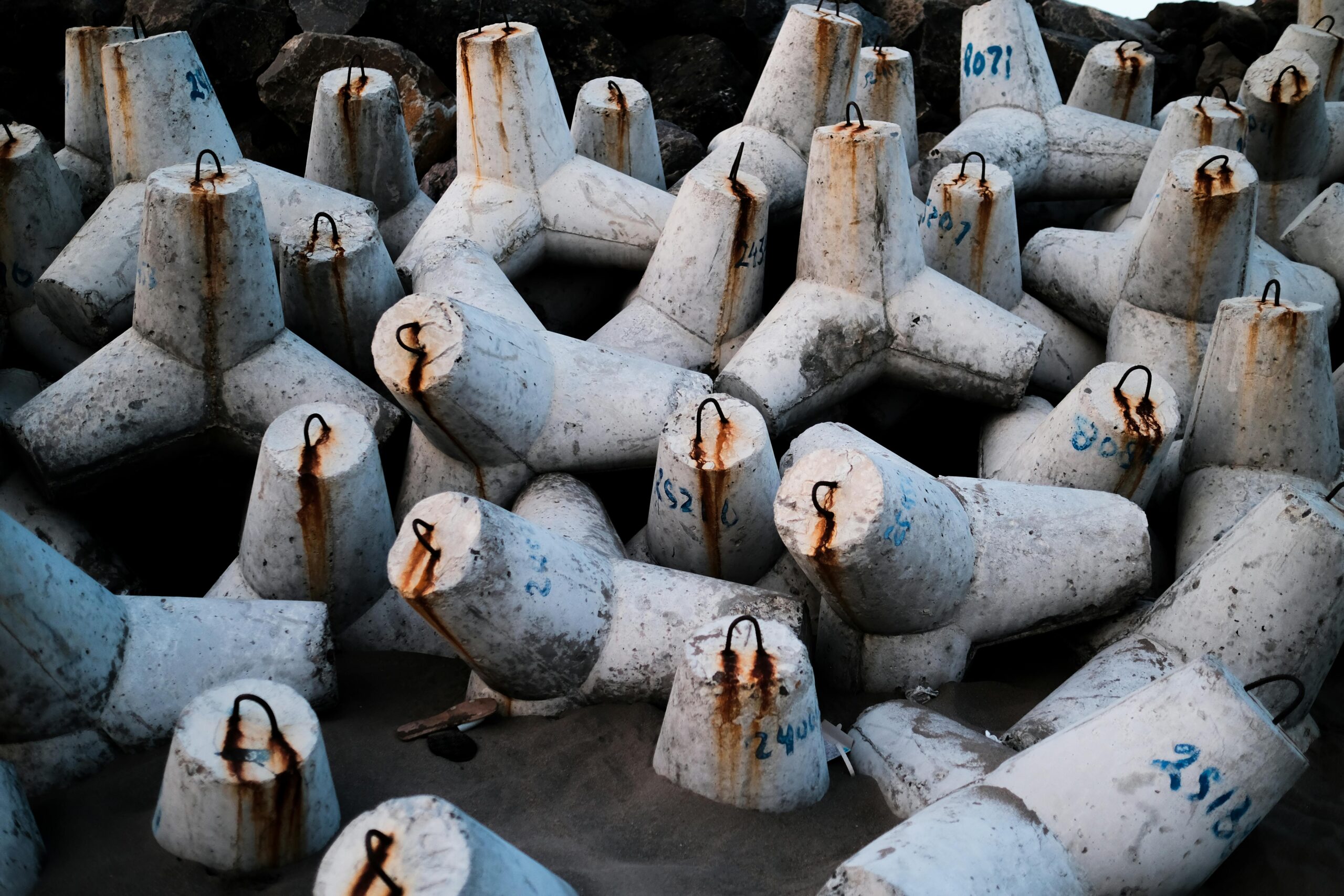
While the Northeast may seem safer compared to other regions, it’s not immune to climate-related risks. Coastal states like New York, New Jersey, and Massachusetts face a unique combination of urban flooding and rising seas.
Key Climate Threats:
- Coastal erosion impacting housing markets
- Intense storms and tidal surges in major cities
- Strain on aging infrastructure
New York City has invested billions in flood defense systems, yet projections by the U.S. Geological Survey (USGS) suggest that storm surge risks will increase by 25% by 2030.
Source: USGS – Coastal Change Hazards
Major Impact Areas:
- New York City, NY
- Boston, MA
- Atlantic City, NJ
Result: Increased construction costs and urban adaptation measures such as sea walls and stormwater tunnels.
Comparative Climate Risk Map (2025 Overview)
| Region | Primary Risk | Most Affected States | Impact Level (2025) |
|---|---|---|---|
| Southeast | Hurricanes & Flooding | FL, LA, SC | Very High |
| Southwest | Heat & Drought | AZ, NV, NM | High |
| West Coast | Wildfires | CA, OR, WA | Very High |
| Midwest | Flooding | MO, IA, IL | Moderate to High |
| Northeast | Coastal Flooding | NY, MA, NJ | Moderate |
Economic and Real Estate Implications
Climate risk isn’t just an environmental issue—it’s reshaping property markets and insurance trends.
According to Investopedia, real estate in flood- and fire-prone regions may see a 10–20% value decline as buyers prioritize safer zones and lower insurance premiums.
Source: Investopedia – Climate Change and Real Estate Impact
Moreover, cities with resilient infrastructure—like Minneapolis or Denver—are now viewed as long-term “climate havens.”
How U.S. Cities Are Responding
1. Infrastructure Investment
Cities are reinforcing drainage systems, bridges, and sea barriers to prevent major flood damage.
2. Green Building Codes
New construction rules encourage energy-efficient and disaster-resistant homes, especially in vulnerable zones.
3. Renewable Energy Expansion
States are increasing solar and wind energy projects to reduce emissions and energy grid stress.
4. Public Awareness Campaigns
Local governments promote preparedness programs and evacuation planning in high-risk communities.
Key Takeaways
- Climate risks vary by region, but nearly every U.S. state faces growing environmental threats in 2025.
- The Southeast and West Coast top the list due to hurricanes and wildfires.
- Real estate markets and insurance industries are rapidly adapting to climate realities.
- Investments in resilience and sustainability are crucial to protect future communities.
FAQs
1. Which U.S. states face the most severe climate risks in 2025?
Florida, California, and Louisiana face the highest risks due to hurricanes, wildfires, and coastal flooding.
2. What is the safest region in the U.S. from climate disasters?
The Upper Midwest—especially states like Minnesota and Michigan—currently experience lower overall climate risks.
3. How does climate risk affect real estate prices?
Properties in high-risk zones often see reduced demand and higher insurance costs, lowering long-term value.
4. Can cities reduce their climate vulnerability?
Yes, by improving infrastructure, enforcing sustainable construction standards, and promoting renewable energy adoption.
Conclusion
Climate risks in the U.S. are no longer future concerns—they’re reshaping where and how Americans live today. In 2025, understanding regional vulnerabilities helps individuals, businesses, and governments make smarter decisions.
By investing in resilience, cleaner energy, and smarter planning, the nation can protect both its people and its future.