Introduction
In the United Kingdom, smart home technology is rapidly moving from luxury to necessity. With rising energy costs and a growing focus on sustainability, homeowners are now looking for cost-effective smart home upgrades that enhance comfort, save energy, and add property value.
The good news? You don’t need to invest thousands to make your home “smart.” Whether you live in a suburban house or a London flat, there are affordable smart home devices in 2025 that can transform how you manage your home — all while staying within budget.
This article explores the best cost-effective smart home upgrades for U.K. homeowners, focusing on practicality, affordability, and long-term benefits.
Why Invest in Smart Home Upgrades?
Before diving into the best upgrades, let’s understand why smart technology has become a must-have for U.K. homeowners:
- Energy Efficiency: Smart devices can significantly lower monthly utility bills.
- Security: Smart cameras and locks provide real-time protection and alerts.
- Convenience: Voice and app control simplify daily routines.
- Property Value: Homes with integrated smart features attract higher resale prices.
- Sustainability: Energy-efficient technology supports the U.K.’s green goals.
In short, smart home upgrades are no longer just about comfort — they’re about smarter living, both financially and environmentally.
Top Cost-Effective Smart Home Upgrades for U.K. Homeowners
1. Smart Thermostats: Energy Savings All Year Round
A smart thermostat is one of the easiest and most impactful upgrades for U.K. households. Brands like Google Nest and Tado offer models designed specifically for variable U.K. weather.
Benefits:
- Adjusts temperature automatically based on your schedule.
- Reduces heating bills by learning your habits.
- Works seamlessly with voice assistants like Alexa and Google Home.
Average Cost: £100–£250
Savings Potential: Up to 15% on energy bills annually.
Pro Tip: For more insights on how smart devices can impact your energy efficiency, you can read more on Investopedia about AI in Finance.
2. Smart Lighting Systems: Control and Save
Smart bulbs and switches are a cost-effective way to modernize your home lighting. They’re easy to install and compatible with major ecosystems like Alexa, Google, and Apple Home.
Popular Options: Philips Hue, TP-Link Kasa, Wyze Bulbs.
Benefits:
- Remote control through your smartphone.
- Schedule lights to turn on or off automatically.
- Energy-efficient LED technology lowers electricity usage.
Average Cost: £20–£60 per bulb or starter kit.
Best For: Those who want an affordable upgrade with visible impact.
3. Smart Plugs: The Affordable All-Rounder
Smart plugs are the unsung heroes of home automation. Plug them into any standard outlet to make “dumb” devices smart.
Benefits:
- Automate appliances such as kettles, lamps, or fans.
- Turn off devices remotely to save power.
- Works with voice commands and schedules.
Average Cost: £10–£30 per plug.
Smart Tip: Use them for energy-heavy devices like heaters to monitor usage.
4. Smart Security Cameras and Doorbells
Home security no longer requires expensive installations. Affordable smart cameras and video doorbells give homeowners peace of mind and real-time alerts.
Popular Choices: Ring, Eufy, Blink, Arlo.
Benefits:
- Live monitoring from your smartphone.
- Motion detection alerts when activity is detected.
- Two-way audio for communicating with visitors.
Average Cost: £70–£200
Why It Matters: Ideal for U.K. urban areas where property theft or delivery security is a concern.
5. Smart Smoke and Carbon Monoxide Detectors
These life-saving devices are becoming smarter — and more affordable.
Benefits:
- Sends alerts to your phone during emergencies.
- Monitors air quality and battery life.
- Integrates with home automation systems for safety routines.
Recommended Brands: Nest Protect, Kidde Smart Alarm.
Average Cost: £80–£150
Added Value: In some cases, smart detectors can even lower home insurance premiums.
6. Smart Water Leak Sensors
Water damage is one of the most common (and costly) home issues in the U.K. A smart leak detector can prevent thousands in repair costs.
Benefits:
- Instantly alerts you of leaks or humidity changes.
- Ideal for basements, kitchens, and bathrooms.
- Simple DIY installation.
Average Cost: £40–£90 per sensor.
Tip: Link them with your smart home hub for automated shut-offs.
7. Smart Blinds and Curtains
Automated window treatments are not only convenient but can help control indoor temperatures.
Benefits:
- Schedule openings to let in natural light.
- Block heat during summer and retain warmth in winter.
- Adds a modern aesthetic appeal.
Average Cost: £150–£300 per window.
Savings Tip: Pair with solar sensors for optimal performance.
8. Smart Home Energy Monitors
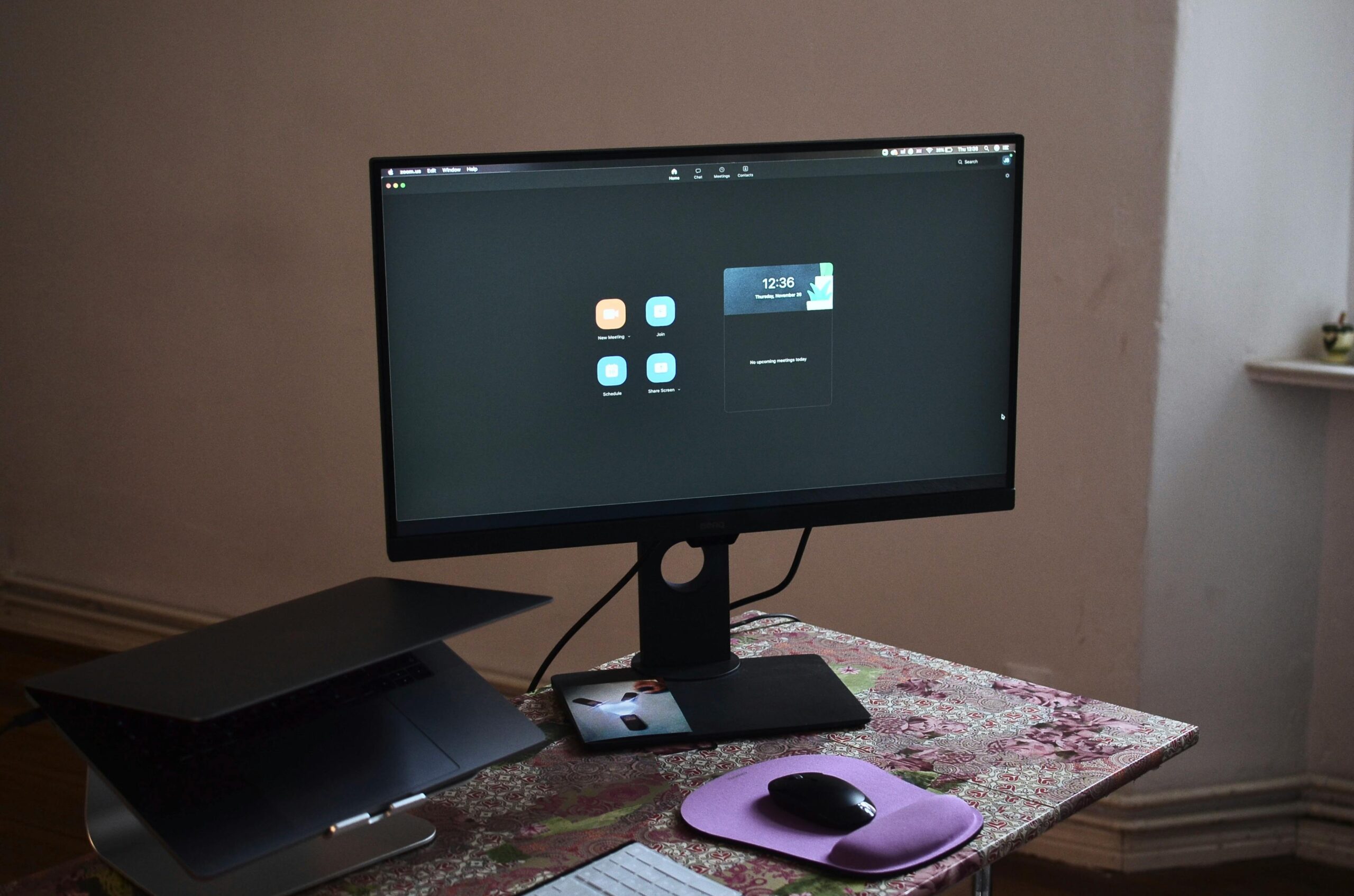
These devices connect to your electrical panel and track energy use in real time.
Benefits:
- Identify high-consumption devices.
- Receive energy-saving recommendations.
- Works with renewable energy setups like solar panels.
Average Cost: £100–£250
Ideal For: Homeowners serious about cutting monthly energy costs.
9. Smart Irrigation Systems
Perfect for garden enthusiasts or those managing rental properties.
Benefits:
- Automates watering based on soil moisture and weather.
- Saves water and reduces utility bills.
- Mobile app control for flexibility.
Average Cost: £120–£250
Best For: U.K. homeowners with gardens or landscaping.
Key Takeaways
- Smart thermostats and lighting systems offer the fastest return on investment.
- Focus on energy efficiency — it boosts property value and lowers bills.
- Many upgrades qualify for government or energy rebates.
- Start small with smart plugs and scale up gradually.
- Use devices that support cross-platform integration (Alexa, Google, Apple).
Frequently Asked Questions (FAQs)
1. Are smart home devices worth the cost in the U.K.?
Yes. Smart devices often pay for themselves within 1–2 years through reduced energy bills and improved security.
2. Do smart home upgrades increase property value?
Absolutely. Homes with smart thermostats, cameras, and lighting systems are seen as more modern and efficient — key selling points in today’s real estate market.
3. Can I install smart home upgrades myself?
Many devices, such as smart plugs and bulbs, are designed for easy DIY setup. Others, like thermostats, may require a certified installer.
4. What’s the best budget-friendly upgrade for beginners?
Smart plugs or bulbs — they’re affordable, easy to install, and immediately enhance convenience.
Conclusion
Smart home technology is no longer an expensive dream — it’s a practical investment for every U.K. homeowner. From thermostats that cut energy costs to lights that adjust with your voice, today’s innovations are designed to be affordable, efficient, and easy to use.
Whether you’re upgrading a single room or automating your entire property, remember: start small, choose reliable brands, and build gradually. Over time, your home will not only feel smarter but will operate more efficiently — benefiting your comfort, finances, and the planet.
Call-to-Action
Ready to take the first step toward a smarter home? Start by exploring cost-effective smart home devices on trusted retailers or learn more about home automation trends on Forbes Home.