Introduction
In the United States, homebuyers are becoming more eco-conscious than ever before. From energy-efficient appliances to smart thermostats and solar panels, Americans now view sustainability as a sign of quality and long-term savings.
If you’re a homeowner looking to boost your property’s resale value, eco-friendly upgrades are one of the smartest investments you can make. They not only reduce monthly bills but also make your listing more appealing to today’s environmentally aware buyers.
In this guide, we’ll explore the most effective green home improvements that can increase your home’s resale value, lower energy costs, and create a healthier living space.
Why Eco-Friendly Upgrades Matter in the U.S. Housing Market
The U.S. housing market has seen a strong shift toward sustainability. According to Forbes Home, homes with green features often sell faster and at higher prices. Buyers are increasingly prioritizing energy-efficient homes due to rising energy costs and environmental awareness.
Moreover, sustainable homes often qualify for green certifications, such as ENERGY STAR® or LEED, which further boost market appeal and credibility. Therefore, eco-friendly renovations are not just ethical choices — they’re smart financial decisions.
1. Solar Panels: A Long-Term Power Investment
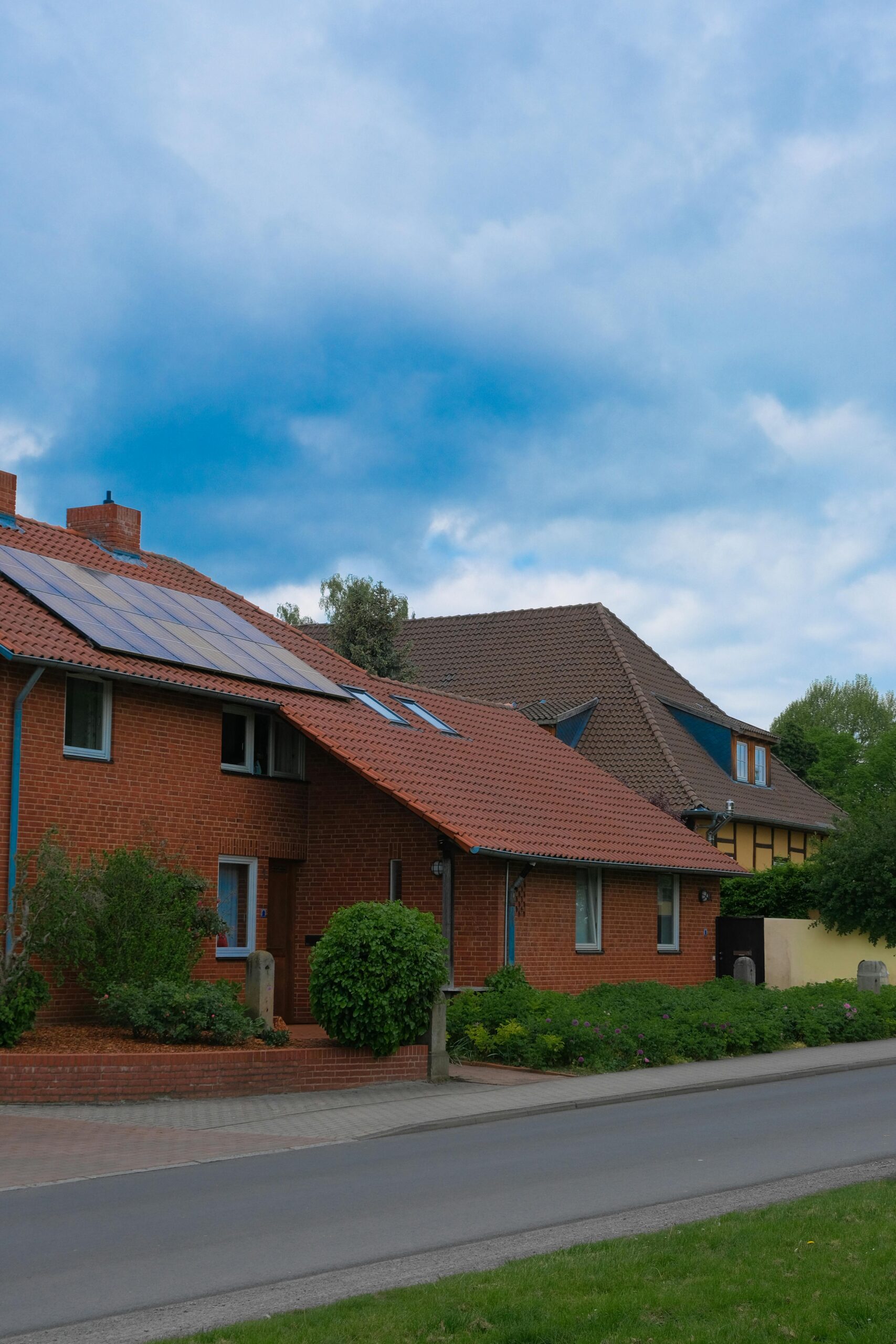
Installing solar panels remains one of the top eco-friendly upgrades for U.S. homeowners.
According to Energy.gov, solar systems can reduce electricity bills by up to 70%, and homes with solar power often sell for 4–6% more than comparable non-solar homes.
Benefits:
- Reduces dependency on grid electricity
- Offers federal and state tax incentives
- Attracts eco-conscious homebuyers
- Increases long-term property value
Estimated ROI:
Average U.S. homeowners recoup 70–90% of their installation costs upon resale.
2. Energy-Efficient Windows and Insulation
Windows are among the biggest sources of energy loss in older homes. Upgrading to double-pane or ENERGY STAR-certified windows improves insulation, reduces noise, and helps maintain indoor temperatures.
Benefits:
- Cuts energy costs by up to 15%
- Enhances comfort in both hot and cold climates
- Modernizes your home’s look and feel
Paired with proper attic and wall insulation, this upgrade significantly improves your home’s energy efficiency rating — a major plus for modern U.S. buyers.
3. Smart Thermostats and Energy Controls
Smart thermostats like Nest or Ecobee are not just convenient — they’re efficient. They automatically adjust heating and cooling based on your routine, saving homeowners up to 10–12% on heating and 15% on cooling costs, according to the U.S. Department of Energy.
Why Buyers Love It:
- Reduces wasteful energy use
- Offers smartphone control and smart home integration
- Provides real-time energy usage data
This small investment can make your home look modern, intelligent, and sustainable — a strong selling point for younger U.S. buyers.
4. Water-Saving Fixtures
Eco-conscious buyers notice water efficiency, especially in drought-prone states like California, Texas, and Arizona. Upgrading to low-flow faucets, dual-flush toilets, and water-efficient showerheads can save thousands of gallons annually.
Benefits:
- Reduces water bills
- Supports environmental conservation
- Improves sustainability image of the property
Many states also offer rebates for water-efficient fixtures, adding even more value to the upgrade.
5. Sustainable Flooring Materials
Buyers love homes that combine beauty with environmental responsibility.
Eco-friendly flooring options — such as bamboo, cork, or reclaimed wood — are stylish, durable, and made from renewable sources.
Why It Matters:
- Adds modern aesthetic appeal
- Shows environmental responsibility
- Provides a natural, toxin-free indoor environment
These materials are especially popular among millennial and Gen Z buyers, who prioritize green living and health-conscious choices.
6. Energy-Efficient HVAC Systems
Heating and cooling systems account for nearly half of home energy consumption in the U.S. Upgrading to a high-efficiency HVAC system can save hundreds annually and improve resale value substantially.
Advantages:
- Improves air quality and indoor comfort
- Lowers maintenance costs
- Attracts buyers seeking low energy bills
According to Realtor.com, homes with newer HVAC systems tend to sell 5–10% faster than those without.
7. Cool Roofs and Reflective Paints
A cool roof reflects more sunlight and absorbs less heat than standard roofing materials, keeping homes cooler during summer. This is particularly valuable in southern U.S. states.
Benefits:
- Lowers cooling costs by up to 20%
- Extends roof lifespan
- Reduces urban heat effect
Adding reflective paint or cool roofing materials can also qualify for local energy rebates — another advantage when selling your property.
8. Eco-Friendly Landscaping
A green home extends beyond its walls.
Native plants, drought-resistant grass, and rainwater collection systems can turn your yard into an eco-friendly haven that attracts potential buyers.

Eco Landscaping Ideas:
- Use solar-powered outdoor lights
- Install rain barrels for irrigation
- Replace grass lawns with native plants
These upgrades boost curb appeal while demonstrating environmental awareness — a combination that sells.
9. LED Lighting and Smart Bulbs
Replacing traditional bulbs with LED or smart lighting systems is one of the simplest and most cost-effective green upgrades.
Benefits:
- Uses up to 80% less energy
- Lasts 20x longer than incandescent bulbs
- Adds modern convenience (voice or app control)
Small details like smart lighting give homes a tech-forward, energy-efficient feel that appeals to the modern U.S. market.
10. Recycled or Reclaimed Building Materials
If you’re remodeling, using reclaimed wood, recycled glass, or metal materials adds both authenticity and sustainability to your home.
Why It Adds Value:
- Reduces carbon footprint
- Creates a unique design story
- Appeals to eco-conscious buyers
According to HomeAdvisor, green remodels that use recycled materials often see up to 10% higher resale returns.
Key Takeaways
| Upgrade | Benefit | Resale Impact |
|---|---|---|
| Solar Panels | Lower bills, tax credits | +4–6% home value |
| Smart Thermostat | Energy efficiency | High buyer appeal |
| Energy-Efficient Windows | Better insulation | Medium ROI |
| Sustainable Flooring | Modern + natural | Medium ROI |
| Eco Landscaping | Curb appeal | High ROI |
In short: Homes with sustainable features are easier to sell, command higher prices, and attract a younger, environmentally aware audience.
FAQs
1. Which eco-friendly upgrade adds the most resale value?
Solar panels and energy-efficient windows usually offer the highest ROI. Buyers prefer homes that can help reduce long-term utility costs.
2. How much can green upgrades increase a home’s value?
Depending on the region and type of upgrade, eco-friendly improvements can add 3–10% to overall resale value.
3. Are eco-friendly upgrades expensive?
Some upgrades, like smart thermostats and LED lighting, are affordable. Larger investments like solar panels or HVAC systems have higher upfront costs but long-term benefits.
4. Do eco-friendly homes sell faster in the U.S.?
Yes. Studies show homes with energy-efficient features often sell faster because they reduce ownership costs and attract sustainability-minded buyers.
Conclusion
Eco-friendly upgrades aren’t just about saving the planet — they’re about increasing your home’s long-term worth.
From solar panels and efficient HVAC systems to sustainable flooring and smart thermostats, each improvement adds a layer of comfort, efficiency, and modern appeal.
As more Americans embrace green living, sustainable homes are becoming the new gold standard in real estate. Therefore, investing in eco-friendly improvements today can deliver both environmental impact and financial gain tomorrow.
Call-to-Action
Ready to make your home more sustainable? Start with small changes — switch to LED lighting, improve insulation, and explore solar incentives available in your state. Every step toward eco-friendliness adds value to your home and your planet.