Introduction
Older homes have something special — the character, craftsmanship, and stories that modern construction can rarely replicate. Yet, many homeowners wonder: How can I modernize an older home without losing its timeless charm?
The good news is, it’s absolutely possible. With thoughtful design choices and strategic upgrades, you can enjoy modern comfort and energy efficiency while keeping that nostalgic aesthetic intact.
This guide explores how to modernize older homes the right way — balancing old-world beauty with today’s design and technology.
1. Start with a Home Assessment
Before diving into upgrades, begin with a thorough home evaluation. Understanding what’s original and what’s outdated will help you plan renovations strategically.
Key things to assess:
- Structure & foundation: Check for cracks or water damage.
- Electrical & plumbing: Replace old wiring or pipes for safety.
- Windows & insulation: Evaluate efficiency and comfort levels.
- Flooring & woodwork: Identify features worth restoring rather than replacing.
By assessing carefully, you can prioritize updates that add function without stripping away personality.
2. Preserve Historical Features That Tell a Story
One of the best ways to keep an older home’s charm alive is to preserve its defining features. These architectural elements often hold immense aesthetic and emotional value.
Features to keep or restore:
- Crown molding and decorative trim
- Original hardwood floors
- Exposed brick or stone walls
- Stained glass or vintage windows
- Fireplaces and built-in cabinetry
You can refinish or restore instead of replacing these elements. This keeps your renovation sustainable and retains the home’s original character.
3. Blend Old and New Through Thoughtful Design
Modernization doesn’t mean erasing the past — it’s about harmonizing eras. Blending traditional and contemporary elements creates a timeless look.
Smart ways to blend styles:
- Pair vintage lighting fixtures with smart bulbs.
- Use neutral wall colors to highlight antique details.
- Combine modern furniture with traditional architectural elements.
- Install sleek hardware on restored wood cabinetry.
The goal is cohesion — where new features complement old craftsmanship rather than compete with it.
4. Upgrade the Kitchen: Classic Meets Contemporary
The kitchen is often the heart of any renovation. When working with an older home, it’s possible to create a modern, functional kitchen that still respects the home’s history.
Ideas for a timeless kitchen renovation:
- Refinish rather than replace solid wood cabinets.
- Add quartz or granite countertops for durability and a clean, modern finish.
- Install energy-efficient appliances that blend seamlessly into the design.
- Use subway tiles or marble backsplashes for a classic yet fresh look.
- Retain vintage details like farmhouse sinks or brass handles.
This approach keeps the warmth of the original home while bringing in modern convenience.
5. Introduce Modern Comforts the Subtle Way
You can modernize comfort without changing the home’s entire aesthetic. The key is to integrate technology invisibly.
Subtle comfort upgrades:
- Install smart thermostats that blend into walls.
- Use recessed lighting for a cleaner ceiling look.
- Add hidden charging ports and smart plugs behind furniture.
- Incorporate underfloor heating beneath original flooring.
These updates improve daily living without disrupting design authenticity.
6. Update Bathrooms While Keeping Character
Bathrooms are where functionality meets design. You can transform an outdated bath into a modern spa-like retreat while retaining charm.
Design ideas:
- Replace old tubs with freestanding clawfoot styles.
- Use classic tiles (like hexagon or penny tiles) with modern grout colors.
- Add frameless glass showers to open the space visually.
- Install brass or matte black fixtures for a transitional aesthetic.
This balance of classic and contemporary ensures the bathroom feels luxurious but not out of place in an older home.
7. Refresh Lighting for Warmth and Efficiency
Lighting has the power to transform mood and ambiance in older spaces. Replace outdated fixtures while respecting the original atmosphere.
Lighting upgrade tips:
- Keep vintage chandeliers, but rewire them for safety.
- Mix recessed lights with decorative sconces.
- Choose warm LED bulbs to mimic natural sunlight.
- Add accent lighting to highlight architectural details.
Modern lighting enhances both energy efficiency and emotional warmth — key for maintaining that inviting old-home feel.
8. Improve Energy Efficiency Without Sacrificing Style
Older homes often lack insulation and efficient systems. Fortunately, there are ways to boost performance without altering aesthetics.
Energy-efficient upgrades:
- Add insulation to walls, attics, and floors.
- Replace windows with energy-efficient replicas of original designs.
- Install solar panels discreetly on less visible roof areas.
- Upgrade to Energy Star appliances.
According to Forbes Home, energy-efficient updates not only improve comfort but also increase resale value for older homes in the U.S.
(Forbes Home – Energy Efficiency in Renovations)
9. Use Paint and Color Strategically
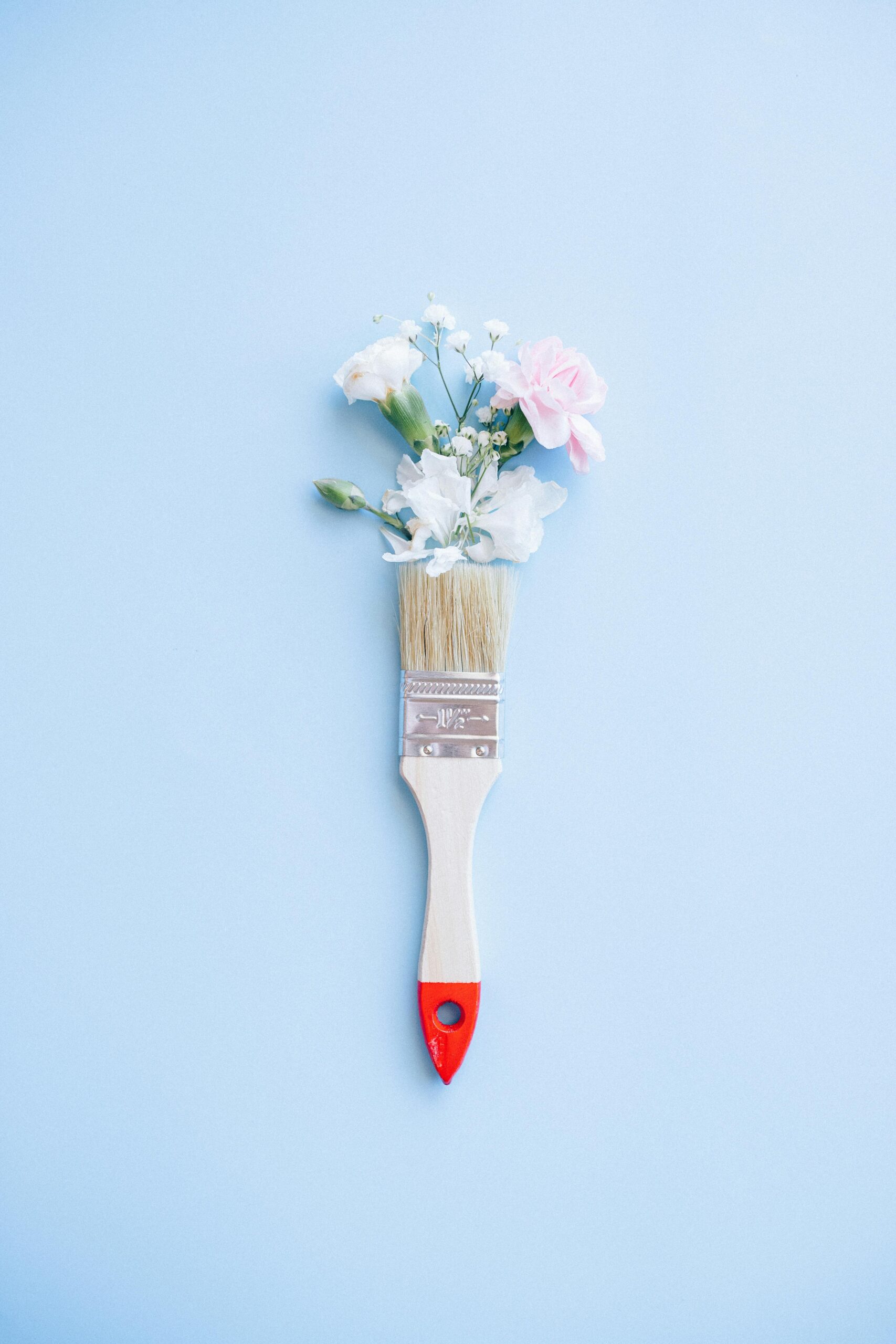
Paint is one of the most powerful yet affordable tools for modernizing. The right palette can bridge old and new design worlds instantly.
Color tips:
- Use soft neutrals (cream, beige, sage) for a balanced tone.
- Add bold accents on trim or doors for character.
- Highlight architectural details with contrasting hues.
- Consider low-VOC paints for eco-friendliness and better indoor air quality.
The right colors can bring life to vintage features instead of overshadowing them.
10. Maintain Outdoor Character with Modern Touches
The exterior sets the tone for your entire home. While modernizing, aim to respect the original architecture.
Exterior improvement ideas:
- Restore wood siding instead of replacing it with vinyl.
- Update porches with reclaimed materials.
- Add modern landscaping — native plants, stone pathways, solar lighting.
- Refresh the front door with updated hardware and paint.
Blending historical structure with subtle modern enhancements keeps your home authentic yet updated.
Key Takeaways
✅ Modernizing older homes doesn’t mean erasing history — it means enhancing it.
✅ Focus on balance: preserve original features, modernize comfort and efficiency.
✅ Smart technology, lighting, and sustainable materials make a big difference.
✅ Respecting character adds long-term value and timeless appeal.
FAQs
1. What’s the best way to modernize older homes affordably?
Start with paint, lighting, and energy-efficient upgrades. These deliver noticeable improvements without major renovations.
2. How do I blend modern furniture with antique architecture?
Use neutral tones and mixed materials — such as glass, wood, and metal — to unify modern and vintage aesthetics.
3. Do older homes increase in value after modernization?
Yes. Modernized older homes often attract buyers who want unique style with updated functionality, leading to higher resale potential.
4. How can I preserve charm while upgrading?
Retain architectural features like moldings, doors, and floors, and modernize with complementary finishes instead of drastic changes.
Conclusion
Modernizing an older home doesn’t mean losing its heart. With intentional upgrades, mindful design choices, and respect for original craftsmanship, you can create a home that’s both timeless and functional.
Whether you’re updating a 1920s bungalow or a mid-century cottage, blending history with modern comfort results in the best of both worlds — a home that feels new, yet rooted in character.
Call to Action
Thinking of updating your classic home? Explore renovation cost guides and sustainable upgrade ideas at Forbes Home: Remodeling Trends to plan smarter in 2025.