Introduction
In 2025, the United States continues to experience weather patterns that are far from what once was considered “normal.” From longer heatwaves in the South to severe winter storms in the Midwest, climate change is no longer a distant prediction — it’s a daily reality. Scientists, city planners, and homeowners alike are asking the same question: how exactly is climate change reshaping America’s weather?
This article explores the latest trends, expert insights, and what these shifts mean for communities across the nation.
1. The Science Behind Climate Change and Weather Shifts
Climate change refers to long-term alterations in temperature and weather patterns, primarily due to human activities such as burning fossil fuels and deforestation. These activities increase greenhouse gas levels in the atmosphere, trapping heat and disrupting Earth’s natural balance.
According to NASA Climate Change Data, 2024 was one of the hottest years on record, with the global average temperature rising by more than 1.2°C since pre-industrial times. This rise directly affects atmospheric circulation, ocean currents, and precipitation cycles across the U.S.
2. Regional Weather Transformations Across the U.S.
Each region of the country is experiencing climate change differently:
a. The West: Wildfires and Droughts
- The Western states, especially California and Nevada, are facing record-breaking droughts and longer wildfire seasons.
- Reduced snowpack in the Sierra Nevada limits water supplies for millions.
- Forests are drying faster, increasing the risk of large-scale wildfires.
b. The Midwest: Extreme Rainfall and Flooding
- The Midwest is witnessing heavier rainfall and more flash floods due to warmer air holding more moisture.
- Farmlands and rural communities face growing threats to crops and soil health.
c. The South: Prolonged Heatwaves and Hurricanes
- Southern regions such as Texas and Florida now see more intense hurricanes and longer hot seasons.
- Ocean warming fuels stronger tropical storms, making them more destructive when they reach the coast.
d. The Northeast: Unpredictable Winters
- While average temperatures rise, occasional polar vortex events bring bitter cold.
- Snowfall patterns are changing — fewer snow days overall but heavier snowfalls when storms do occur.
3. The Impact of Global Warming on U.S. Climate Extremes
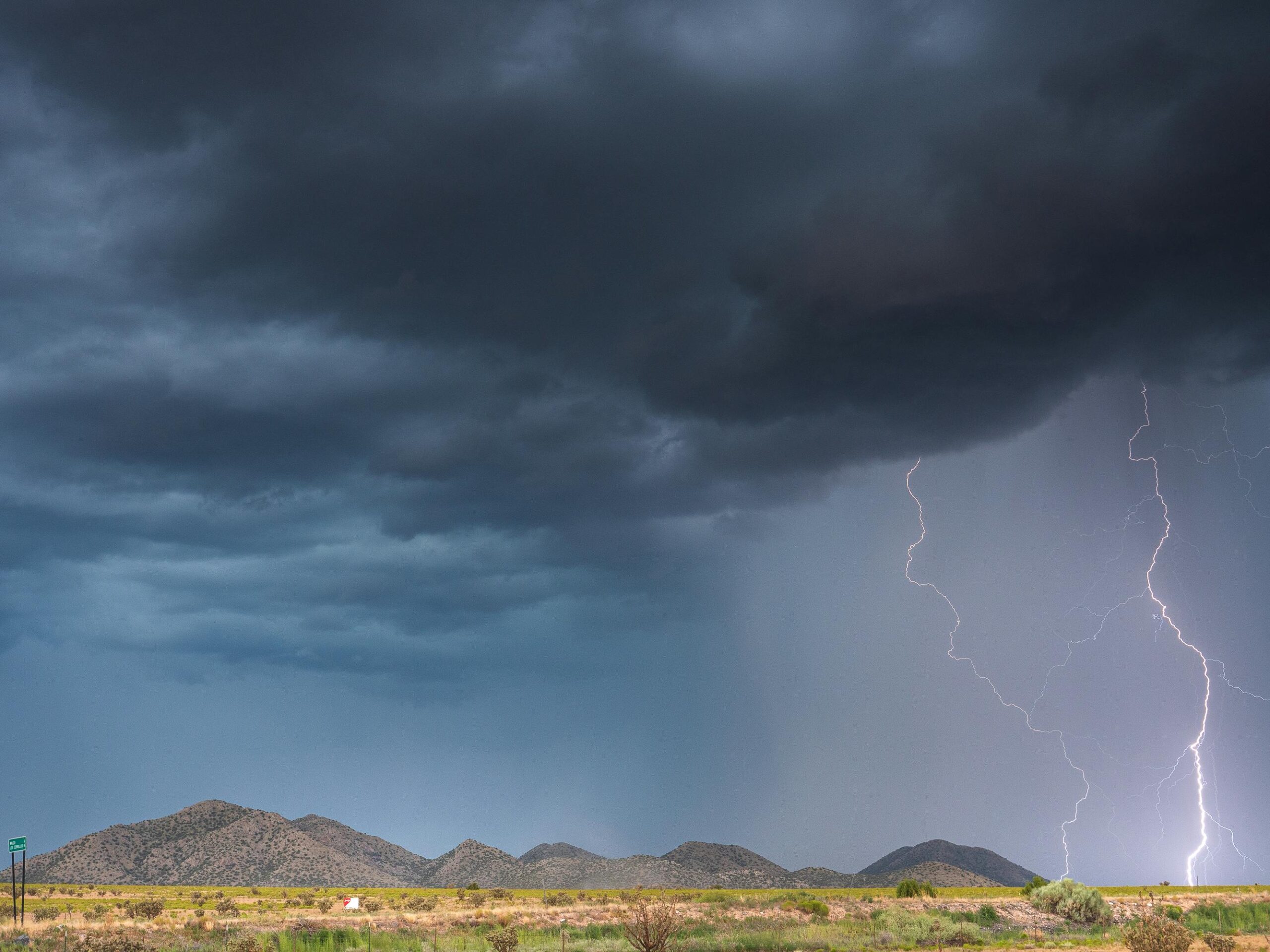
Extreme weather events are increasing in both occurrence and severity.
- Heatwaves now last longer and occur earlier in the year.
- Hurricanes are growing stronger, fueled by warmer ocean temperatures.
- Droughts and floods often happen back-to-back, stressing infrastructure and agriculture.
In fact, according to Forbes Environment, 2025 has already seen climate-related disasters cause billions in damages, emphasizing the urgent need for adaptive infrastructure.
4. How Climate Change Is Affecting American Cities
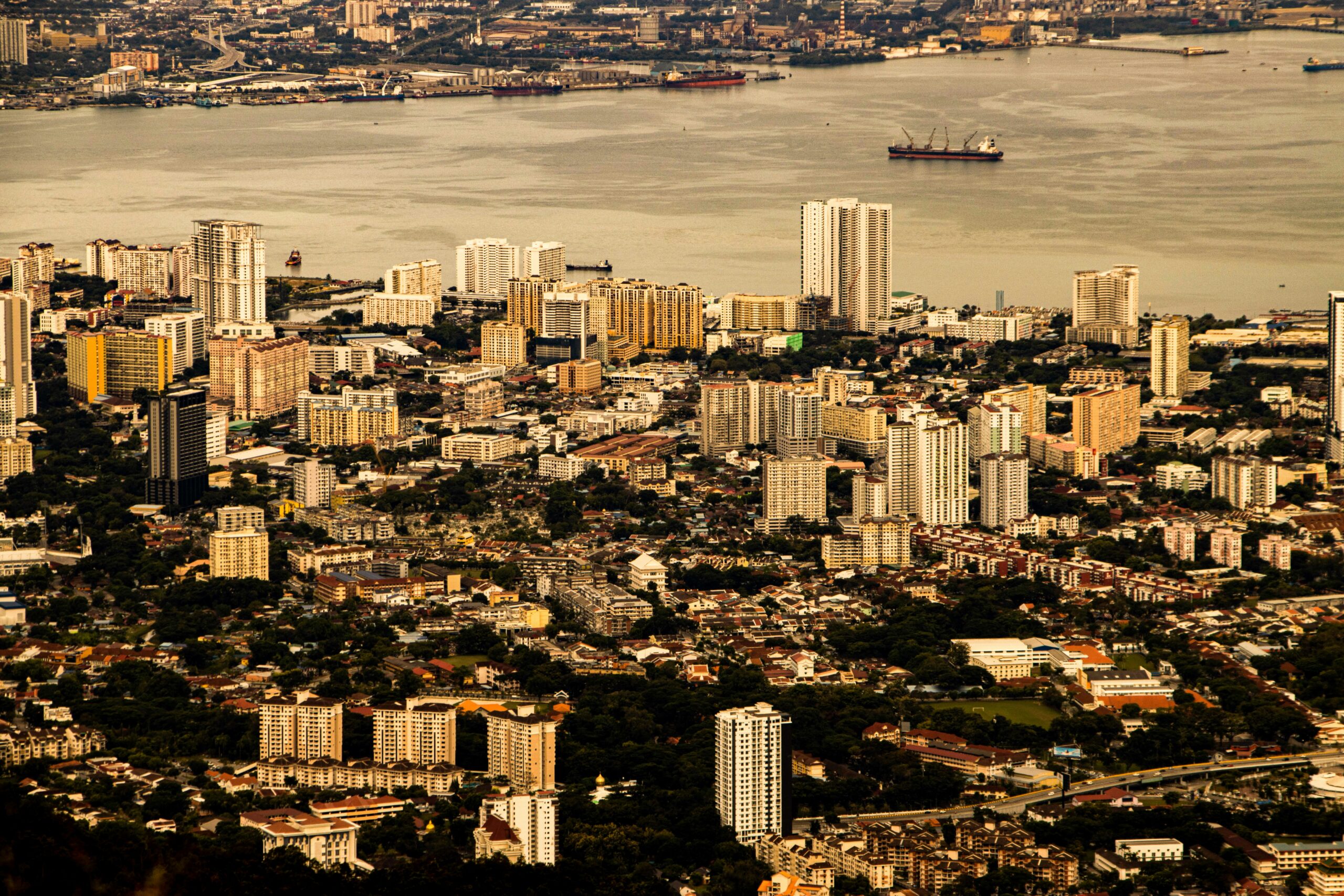
Urban areas feel the effects of climate change differently than rural regions due to the “urban heat island” effect. Cities like Phoenix, Miami, and Dallas are experiencing higher average temperatures due to dense construction, limited green space, and traffic emissions.
Urban Challenges Include:
- Increased energy costs for cooling homes and offices
- Rising health risks like heat exhaustion and dehydration
- Flooding risks in low-lying neighborhoods
City planners are responding by investing in green infrastructure — such as rooftop gardens, permeable pavements, and expanded public parks — to help absorb heat and manage stormwater.
5. The Economic and Social Costs of a Changing Climate
Climate change isn’t just an environmental issue — it’s an economic and social one too.
A 2025 report from Forbes Home noted that extreme weather events significantly affect property values, insurance premiums, and real estate markets nationwide.
Key Economic Impacts:
- Homeowners face rising insurance rates in high-risk areas.
- Farmers lose billions due to unpredictable growing conditions.
- Energy bills surge during prolonged heatwaves and cold spells.
As climate risks grow, many Americans are rethinking where and how they live — choosing safer, more resilient communities.
6. How Technology and Policy Are Driving Climate Resilience
The U.S. is making progress in climate resilience through innovation and policy:
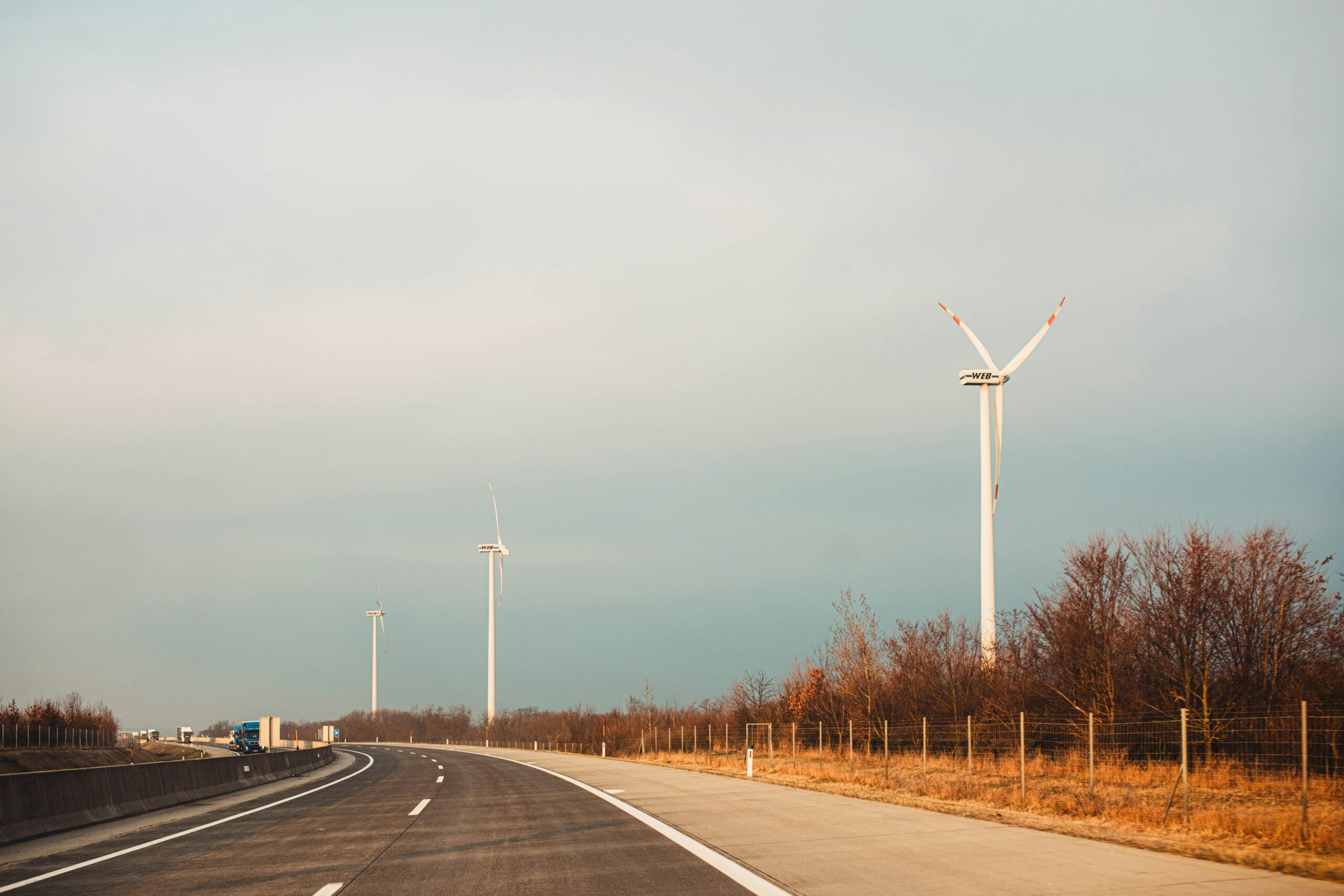
- Renewable Energy Adoption: Solar and wind energy are becoming more affordable and widespread.
- Federal Climate Policies: New emission standards aim to reduce national carbon footprints.
- Smart Forecasting Systems: AI-driven climate models now provide faster and more accurate predictions for severe weather.
These solutions are helping local governments prepare for — and mitigate — future environmental risks.
7. What Homeowners Can Do to Adapt
Homeowners play a key role in strengthening local resilience.
Here are a few practical steps individuals can take:
- Invest in home insulation and energy efficiency to reduce carbon footprint.
- Install solar panels or use renewable energy programs where available.
- Harvest rainwater for irrigation to reduce water waste.
- Plant climate-resilient landscaping that can survive drought and floods.
- Stay informed about local weather alerts and community evacuation plans.
Small steps at home, when multiplied across millions of households, can make a real national difference.
8. Key Takeaways
✅ Climate change is reshaping U.S. weather patterns faster than ever before.
✅ Every region faces unique risks — from wildfires to floods.
✅ Cities are investing in climate-resilient designs and renewable energy.
✅ Homeowners and local governments must act now to adapt.
✅ Collaboration between science, policy, and citizens will determine the future of U.S. climate resilience.
FAQs
1. What are the main causes of climate change in the U.S.?
The main causes include burning fossil fuels, industrial emissions, deforestation, and agricultural practices that release greenhouse gases into the atmosphere.
2. Which U.S. regions are most affected by climate change in 2025?
The South and West are experiencing the strongest impacts — such as prolonged heatwaves, droughts, and hurricanes — while the Midwest faces severe flooding events.
3. How does climate change affect homeowners?
It increases energy costs, property insurance rates, and damages from storms and floods, influencing real estate trends nationwide.
4. Can local communities help slow climate change?
Yes. Through renewable energy adoption, waste reduction, and reforestation, communities can collectively reduce carbon emissions and improve resilience.
Call-to-Action
As climate change continues to reshape the U.S. landscape, staying informed and prepared is key.
Whether you’re a homeowner, student, or policymaker, your choices today influence tomorrow’s environment.
Start small — reduce energy use, support green policies, and protect your community’s future.