Introduction
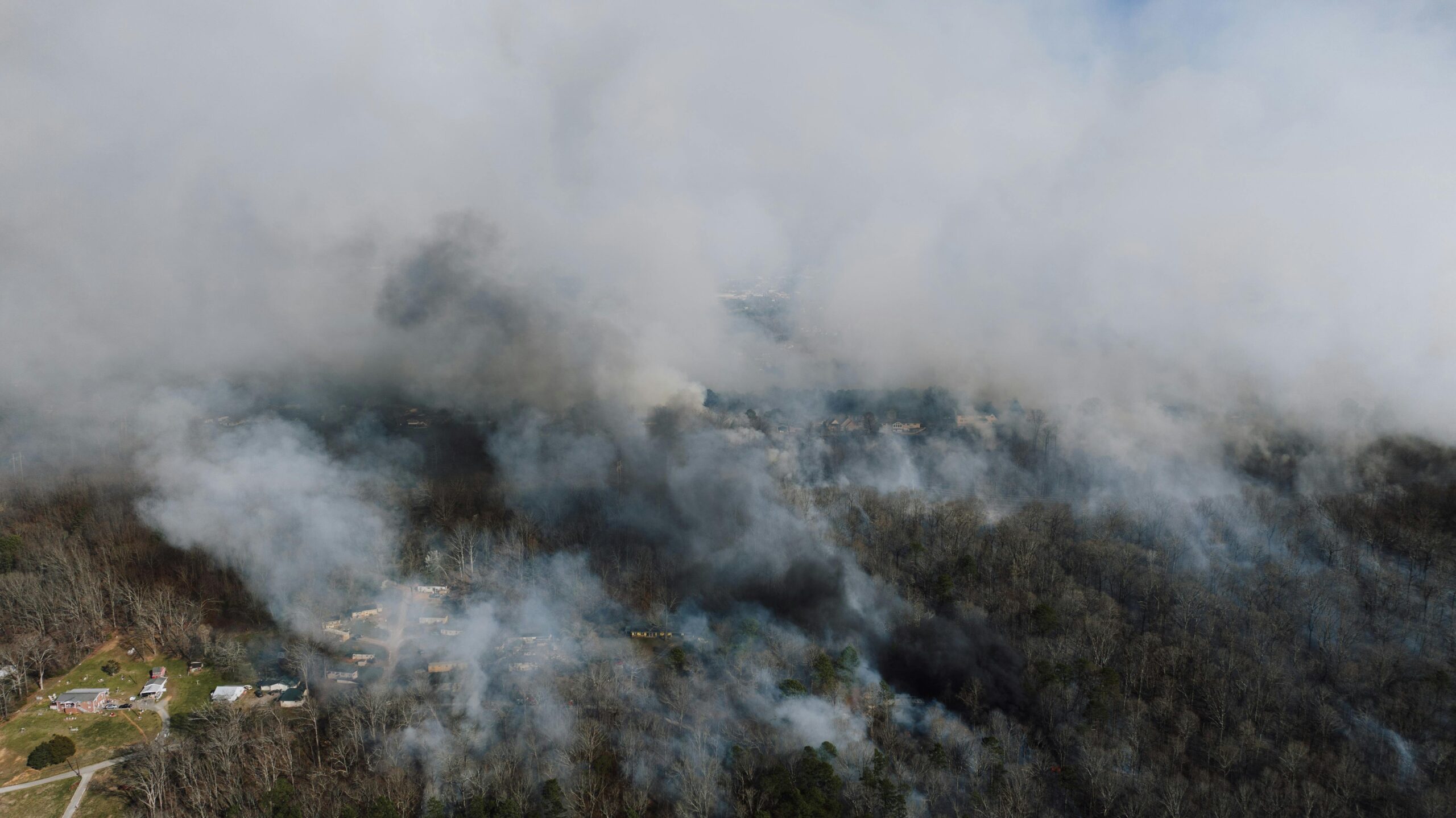
Every summer, Americans watch the same alarming headlines: “Another wildfire breaks records.” From California’s forests to Oregon’s mountains and Texas grasslands, flames are spreading faster than ever before.
But why are these fires becoming so intense and unpredictable? Experts point to one clear factor — rising temperatures caused by climate change.
This article explores how wildfires and rising temperatures in the U.S. are linked, what this means for communities, and what solutions are being developed in 2025.
1. The Connection Between Heat and Wildfire Spread
Wildfires are a natural part of many ecosystems. However, when the environment becomes hotter and drier, these fires ignite more easily and spread faster.
According to NASA Climate Data, the average temperature in the U.S. has increased by more than 1.8°F since 1901, with the past decade being the warmest on record.
Warmer air pulls moisture out of soil and vegetation, creating “fuel-ready” conditions that allow small sparks to grow into uncontrollable fires.
Key Factors That Link Heat to Wildfire Spread:
- Lower humidity levels: Hotter air absorbs more water, drying out vegetation.
- Extended droughts: Persistent heat waves reduce rainfall and groundwater.
- Wind acceleration: Rising heat creates stronger winds, pushing flames faster.
In simple terms — the hotter it gets, the faster wildfires spread.
2. The U.S. Regions Most at Risk in 2025
While wildfires are not new, their geographic reach is expanding. States that rarely experienced large-scale fires are now facing severe outbreaks.
a. Western States: The Hot Zone
- California, Oregon, and Washington continue to be the epicenter of U.S. wildfires.
- Prolonged droughts and forest mismanagement contribute to recurring megafires.
- California alone saw over 1.3 million acres burned in 2024, according to the U.S. Forest Service.
b. The South and Southwest
- Texas, Arizona, and New Mexico are reporting earlier fire seasons due to rising spring temperatures.
- Grassland fires in these regions are spreading more rapidly than forest fires, posing new containment challenges.
c. The Midwest and East
- Climate shifts have made even parts of Michigan, Kentucky, and the Carolinas more fire-prone.
- Drier winters and hotter summers have reduced natural fire barriers like wet soil and snowpack.
3. Why Wildfires Are Spreading Faster in 2025
In 2025, wildfire behavior is changing in three key ways:
1. Longer Fire Seasons
Traditionally, fire season in the U.S. ran from June to September. Now, it can start as early as March and last into November, particularly in the West.
2. More Intense Heatwaves
According to the National Oceanic and Atmospheric Administration (NOAA), 2025 is projected to experience multiple record-breaking heatwaves. These spikes not only dry forests but also make firefighting conditions more dangerous.
3. Increased Lightning and Dry Storms
Rising temperatures contribute to “dry lightning” — lightning strikes with little or no rainfall. These have become a leading cause of wildfire ignition across dry landscapes.
4. Economic and Environmental Consequences
The growing wildfire crisis impacts far more than forests — it affects the economy, health, and climate itself.
Economic Damage
- Wildfires cause billions in property losses each year.
- Insurance costs are skyrocketing in high-risk areas, forcing homeowners to relocate.
- Local economies reliant on tourism and agriculture face long-term setbacks.
Environmental Fallout
- Smoke pollution contributes to poor air quality and respiratory illnesses.
- Burned vegetation releases stored carbon, worsening global warming.
- Wildlife habitats are destroyed, forcing species migration and ecological imbalance.
A 2025 Forbes Environment report noted that wildfire-related economic losses in the U.S. surpassed $150 billion annually, highlighting the urgency for better prevention strategies.
5. Human and Community Impacts
Beyond financial losses, wildfires reshape how Americans live and think about safety.
Communities across the West and South are implementing fire-resistant building codes and community evacuation planning to minimize harm.
Health Effects
- Prolonged exposure to wildfire smoke can cause asthma, heart disease, and chronic coughing.
- Children and seniors are especially vulnerable during high-smoke events.
- Hospitals in fire-prone areas are preparing for increased patient inflow during fire season.
Social Impact
- Families are forced to relocate after losing homes to fire.
- Rural towns face emotional and financial strain as fire recovery costs rise.
- Climate migration — people moving from high-risk fire areas — is becoming more common.
6. The Role of Climate Change and Global Warming
Rising global temperatures are intensifying wildfire conditions.
As ice melts and oceans warm, weather patterns become more extreme — dry regions get drier, and storms get stronger.
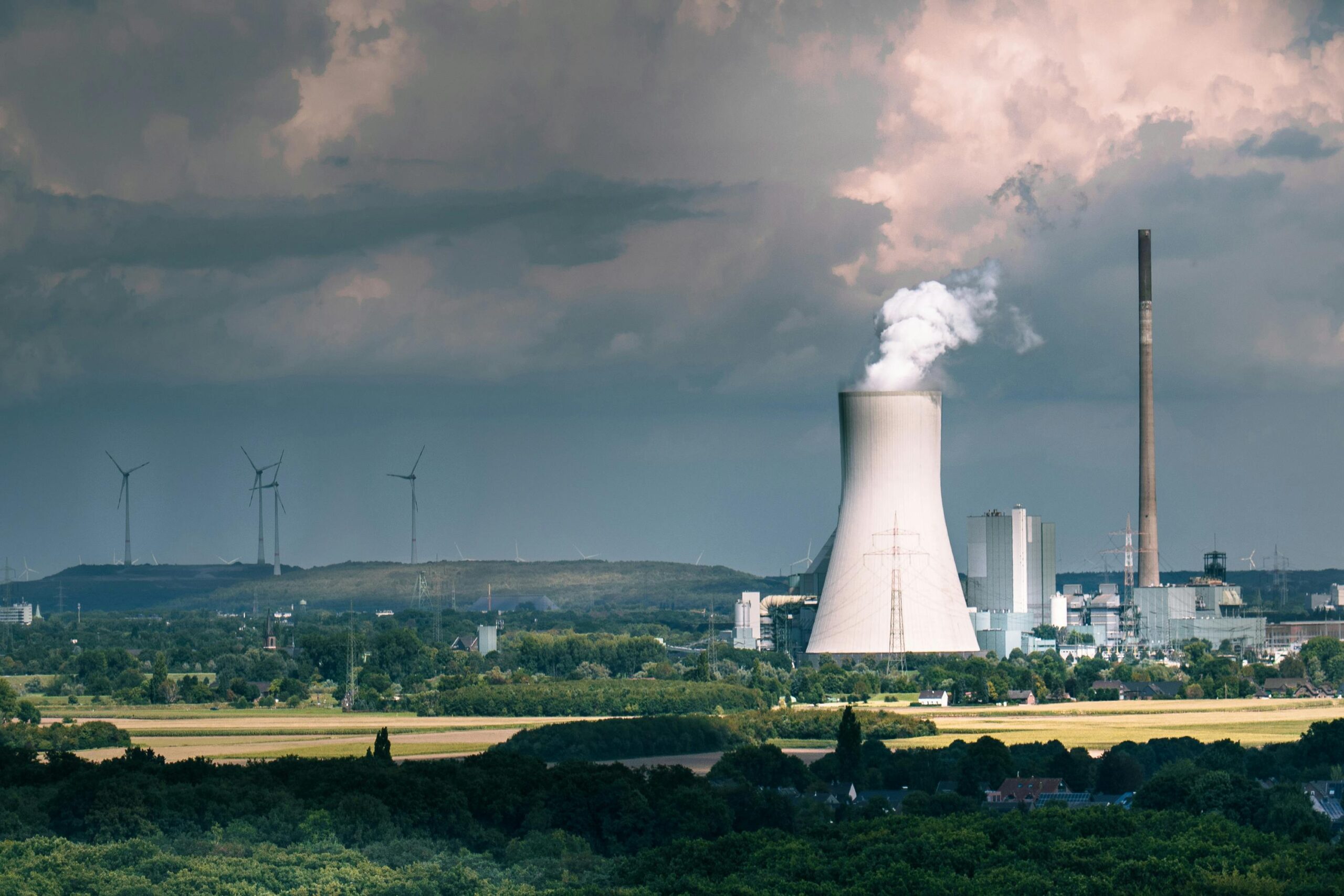
Forbes Environment notes that for every 1°C increase in global temperature, the likelihood of large wildfires can increase by up to 20%.
In the U.S., this translates into faster fire ignition rates, longer burn periods, and a growing need for federal disaster funding.
7. Solutions: How the U.S. Is Responding
Despite growing challenges, the U.S. is advancing innovative wildfire management strategies.
Government Actions
- Wildfire Resilience Projects: Federal funds now support forest thinning, prescribed burns, and fire-resistant landscaping.
- Renewable Energy Incentives: Reducing carbon emissions to slow long-term warming.
- Early Warning Systems: Satellites and AI are being used to predict wildfire behavior in real time.
Community and Technology Solutions
- Smart Sensors: Detect temperature spikes and send alerts before fires spread.
- Drones: Assist firefighters in monitoring remote terrain safely.
- Defensible Space Programs: Encourage homeowners to maintain safe vegetation zones around properties.
Together, these initiatives aim to create a more resilient, climate-smart nation.
8. What Homeowners Can Do to Protect Their Property
Here are practical steps homeowners can take to minimize wildfire risk:
- Clear dry leaves and debris at least 30 feet around your home.
- Use fire-resistant materials for roofing and siding.
- Install mesh screens over vents to block flying embers.
- Keep gutters clean and remove pine needles regularly.
- Have an emergency kit and evacuation plan ready year-round.
According to Forbes Home, homes built with green and fire-resistant materials often maintain higher resale value in wildfire-prone states.
9. Key Takeaways
✅ Wildfires are spreading faster due to rising U.S. temperatures.
✅ Heat, drought, and wind make fire conditions more severe.
✅ Climate change amplifies these risks across new regions.
✅ Prevention, innovation, and public awareness are crucial in 2025.
✅ Homeowners can reduce risk through fire-safe construction and preparedness.
FAQs
1. Are wildfires in the U.S. increasing every year?
Yes. Data from NOAA shows that the average number of large wildfires (over 1,000 acres) has increased steadily since 2000, driven by hotter, drier conditions.
2. How does climate change make wildfires worse?
Climate change raises temperatures and alters rainfall, creating drier landscapes that ignite and spread fire more easily.
3. Which U.S. states face the most wildfire danger in 2025?
California, Texas, Arizona, and Oregon remain the most at-risk states due to rising heat and reduced rainfall.
4. What’s being done to stop faster wildfire spread?
Governments are expanding controlled burns, forest management, renewable energy programs, and real-time fire monitoring technology.
Call-to-Action
Wildfires are no longer just seasonal threats — they’re a national challenge tied directly to our warming planet.
Stay informed, prepare your home, and support policies that reduce carbon emissions.
Small steps today can prevent massive fires tomorrow.