Introduction
Wildfires are no longer rare disasters — they’re a growing reality for millions of Americans. With hotter summers, longer dry seasons, and more intense wind patterns, protecting your home is no longer optional.
That’s why fire-resistant home upgrades are becoming one of the most valuable investments in 2025. From advanced roofing materials to smart sprinklers, homeowners are rethinking safety with innovation and sustainability in mind.
This guide explores the best fireproof home materials, practical design ideas, and cost-effective ways to protect your property while maintaining modern comfort and curb appeal.
1. Why Fire-Resistant Upgrades Matter More Than Ever
In 2025, wildfire activity in the U.S. continues to rise due to warmer temperatures and prolonged droughts. The National Interagency Fire Center reports that the average wildfire season is now two months longer than it was just 20 years ago.
For homeowners, this means the risk of damage — and insurance premiums — is increasing. Homes built or renovated with fire-resistant materials are now favored by insurers and often resell at higher prices.
According to Forbes Home, homes featuring green or fire-resistant upgrades often sell faster in high-risk regions like California and Colorado.
Fire safety is no longer a luxury — it’s part of responsible modern home design.
2. The Science Behind Fire-Resistant Homes
Fire-resistant homes are built using materials and designs that slow or stop the spread of fire. Instead of being combustible, these materials resist ignition and reduce heat transfer.
Three Key Principles of Fire-Resistant Design:
- Ignition Resistance: Materials that don’t easily catch fire.
- Thermal Protection: Components that reduce heat conduction.
- Defensible Space: Landscaping and layout that prevent flames from reaching your home.
By combining these principles, homeowners can create fire-smart environments that minimize damage even in extreme heat.
3. Best Fire-Resistant Home Upgrades for 2025
Let’s explore the most effective upgrades — from roof to yard — that homeowners are adopting in 2025.
A. Fire-Resistant Roofing Materials
Your roof is the most vulnerable part of your home during a wildfire. Sparks or embers can land on the roof and ignite within seconds.
Top Choices for 2025:
- Metal Roofing: Non-combustible, durable, and highly resistant to sparks.
- Clay or Concrete Tiles: Excellent fire ratings and long lifespan.
- Asphalt Shingles (Class A rated): Cost-effective and fire-tested for resistance.
Tip: Ensure proper installation — gaps or broken tiles can compromise safety.
B. Fireproof Exterior Walls and Siding
Exterior walls act as your home’s shield. Using the right materials can prevent flames from spreading indoors.
Recommended Materials:
- Fiber-Cement Siding: Affordable, stylish, and non-combustible.
- Brick or Stone Veneer: Offers excellent heat resistance.
- Stucco: Common in California homes, providing an extra layer of protection.
Moreover, modern composite wall systems combine insulation with fire resistance — perfect for sustainable home upgrades in 2025.
C. Fire-Resistant Windows and Doors
Windows can shatter in extreme heat, allowing embers to enter. Upgrading to fire-rated glass can make a big difference.
Top Window Upgrades:
- Tempered Glass: Four times stronger than standard glass.
- Dual-Pane Windows: Improves both insulation and fire resistance.
- Metal Frames: Unlike vinyl, they don’t melt under heat.
Doors:
Install solid-core metal or fiberglass doors with heat-resistant seals. Wooden doors should be replaced or coated with fire-retardant finishes.
D. Fire-Resistant Decking and Fencing
Outdoor spaces often become ignition points during wildfires.
Best Fireproof Decking Options:
- Composite Deck Boards: Made with recycled plastic and fire-resistant additives.
- Concrete or Stone Decking: Ideal for dry climates and modern aesthetics.
Fencing Tip:
Use metal or masonry fencing near property boundaries. Wooden fences, especially those connected to your home, can quickly transfer flames.
E. Smart Home Fire Protection Systems
Technology is now a major player in wildfire prevention.
Innovations for 2025:
- Smart Sprinkler Systems: Detect rising heat levels and activate automatically.
- Heat Sensors & Smoke Detectors: Connected to your smartphone for real-time alerts.
- Smart Home Integration: Systems that shut vents and windows when outdoor fire smoke is detected.
Homeowners using smart safety tech have reported faster response times and fewer losses during wildfire seasons.
F. Fire-Resistant Landscaping (Defensible Space)
Creating a defensible space around your property can dramatically reduce wildfire risk.
Fire-Safe Landscaping Ideas:
- Maintain at least 30 feet of clearance between vegetation and structures.
- Use gravel, rock mulch, or concrete near the home instead of bark mulch.
- Plant low-flammable species like succulents, lavender, and maple trees.
This strategy is recommended by the U.S. Fire Administration, which emphasizes the importance of smart landscaping in wildfire-prone areas.
4. Cost of Fire-Resistant Home Upgrades in 2025
The good news? Fire-resistant improvements don’t always require massive budgets. Here’s an estimated cost breakdown:
| Upgrade Type | Average Cost (USD) | Expected Lifespan |
|---|---|---|
| Metal Roof | $12,000 – $20,000 | 40–70 years |
| Fiber-Cement Siding | $7,000 – $15,000 | 50 years |
| Tempered Glass Windows | $500 – $1,200 per window | 25 years |
| Smart Sprinkler System | $2,000 – $5,000 | 10–15 years |
| Fire-Resistant Decking | $4,000 – $10,000 | 25 years |
While upfront costs may be higher, the long-term savings on insurance and maintenance make these upgrades financially worthwhile.
5. How Fire-Resistant Upgrades Affect Property Value
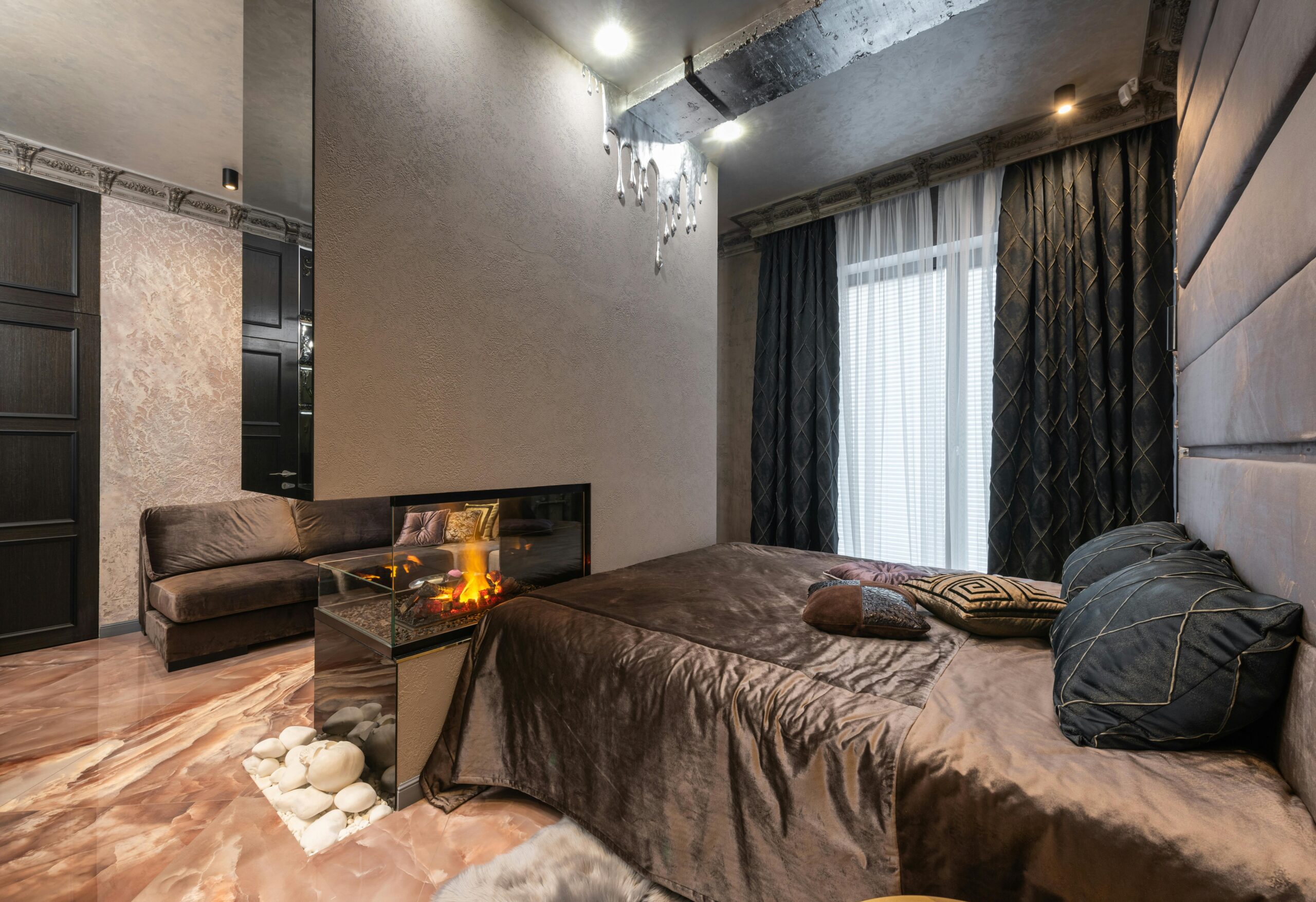
Investing in fire-resistant home upgrades not only increases safety — it also boosts property value.
- Buyers are more interested in homes built with eco-safe and durable materials.
- Insurance providers often offer lower premiums for homes with Class A fire ratings.
- According to Forbes Home, properties with climate-resilient features can sell up to 10% faster in high-risk states.
In short, fireproofing your home is both a safety and financial strategy.
6. Eco-Friendly Fire Protection: The Sustainable Advantage
Modern home builders are combining fire resistance with sustainability.
Materials like recycled steel, eco-cement, and smart insulation offer dual benefits — they protect against fire and reduce carbon emissions.
These eco-friendly construction practices align with U.S. trends toward green home certification (like LEED), giving homeowners added resale value and environmental credibility.
7. Key Takeaways
✅ Fire-resistant upgrades are essential in 2025 due to rising wildfire risks.
✅ Start with roofs, walls, and windows — they offer the greatest protection.
✅ Smart technology enhances fire detection and response.
✅ Eco-friendly materials combine sustainability with safety.
✅ These upgrades also increase home resale value and lower insurance costs.
FAQs
1. What are the most cost-effective fire-resistant upgrades?
Fiber-cement siding and tempered glass windows provide strong protection at moderate costs, making them ideal for budget-conscious homeowners.
2. Can fireproof materials affect my home’s appearance?
Not at all. Modern options like metal roofs and composite siding come in stylish finishes that blend seamlessly with contemporary home designs.
3. Do smart fire systems really make a difference?
Yes. Smart sprinklers and sensors can detect danger earlier, giving residents more time to act and firefighters faster alerts.
4. How often should I maintain my fire-resistant upgrades?
Annual inspections are recommended to ensure seals, vents, and exterior coatings remain in good condition, especially after extreme weather.
Call-to-Action
Fire safety starts before the flames appear.
If you live in a wildfire-prone area, upgrading your home with fire-resistant materials isn’t just a smart choice — it’s an investment in your family’s future.
Stay informed, stay prepared, and build smarter in 2025.