
Introduction
The shift toward renewable energy has transformed how Americans power their homes. In 2025, solar panels remain one of the most popular eco-friendly home upgrades. But as technology evolves and energy markets fluctuate, many homeowners are asking: “Are solar panels still a good investment in 2025?”
The answer isn’t one-size-fits-all. The value of solar panels investment 2025 depends on several factors — from upfront costs and tax incentives to location and energy consumption. Let’s explore whether solar energy continues to deliver strong returns for American households this year.
1. Why Solar Panels Continue to Attract U.S. Homeowners
The appeal of solar power goes far beyond its environmental benefits. In 2025, U.S. homeowners are motivated by financial savings, energy independence, and sustainability goals.
Top Reasons for Solar Popularity
- Lower electricity bills thanks to self-generated power
- Tax credits and state incentives that reduce installation costs
- Increased home resale value with solar-equipped properties
- Protection against rising energy prices
- Commitment to a greener lifestyle
According to the U.S. Department of Energy, more than 4 million American homes now use solar power — a number expected to grow steadily through 2030.
2. Understanding Solar Costs in 2025
The cost of installing solar panels has dropped significantly over the last decade. In 2025, the average cost per watt for residential solar systems ranges between $2.60 and $3.10, depending on equipment and region.
Average System Cost
- Typical U.S. system size: 6 kW
- Average installation cost (before incentives): $15,000–$18,000
- After federal tax credit: ~$10,500–$12,600
While this may seem high initially, most homeowners recover their investment within 6 to 10 years, depending on sunlight exposure and local utility rates.
3. Federal and State Incentives in 2025
One of the main reasons solar panels investment 2025 still makes sense is the continued availability of government incentives.
Key Incentives
- Federal Solar Tax Credit (ITC): Homeowners can still claim 30% of installation costs as a federal tax credit.
- Net Metering Programs: Many states allow homeowners to sell excess energy back to the grid, reducing their monthly bills.
- State and Local Rebates: Certain states — like California, New York, and Massachusetts — offer cash rebates or property tax exemptions for solar installations.
These financial incentives significantly reduce the upfront burden and improve the long-term ROI for homeowners.
4. How Much Can Homeowners Save with Solar in 2025?
Savings depend on where you live and how much electricity you consume. However, on average, homeowners with a 6-kW system can save between $1,200 and $1,800 per year on electricity bills.
Example Calculation:
- Monthly electricity cost before solar: $150
- Monthly cost after solar: $25–$40
- Annual savings: ~$1,400
- 25-year lifetime savings: ~$35,000
This makes solar a long-term financial asset, especially as utility rates continue to rise in most U.S. states.
5. Solar Panel Lifespan and Maintenance
Modern solar panels are built to last. Most systems come with 25–30-year warranties, and even after that period, they typically continue operating at about 80% efficiency.
Maintenance Needs
- Cleaning panels 2–3 times a year
- Occasional inspection of inverters and wiring
- Annual checkup by a solar technician
Overall, maintenance costs are minimal, averaging $100–$300 per year, making solar panels one of the lowest-maintenance home upgrades available today.
6. Advances in Solar Technology (2025 Updates)
The solar industry in 2025 is more advanced than ever. New technologies are making systems more efficient, durable, and affordable.
Latest Innovations
- High-efficiency panels: Convert up to 24% of sunlight into power.
- Bifacial panels: Capture light from both sides for better output.
- Solar shingles: Blend seamlessly with roofing for better aesthetics.
- Battery storage systems: Like the Tesla Powerwall 3, storing excess power for nighttime use.
These advancements make solar systems smarter and more versatile for modern homes.
7. Regional Differences: Does Location Matter?
Yes — location plays a crucial role in determining the value of solar panels investment 2025.
Best U.S. States for Solar ROI
- California – High energy costs + strong sunshine
- Arizona – Abundant sunlight year-round
- Texas – Expanding renewable energy infrastructure
- Florida – Tax benefits + sunny climate
- New York – Generous incentives for clean energy adoption
Even states with less sunshine (like Oregon or Illinois) can benefit, thanks to net metering and federal incentives that offset lower sunlight hours.
8. Solar Panels and Home Value in 2025
According to Zillow’s housing data, homes with solar installations typically sell for 4–6% more than comparable non-solar homes. Buyers increasingly view solar as a premium feature — especially those looking for energy independence and lower monthly expenses.
Why It Adds Value
- Lower utility bills appeal to buyers
- Shows long-term sustainability commitment
- Reduces future installation hassle for new owners
Therefore, installing solar isn’t just about savings — it’s also a property value booster.
9. Common Myths About Solar Panels in 2025
Despite proven success, some misconceptions still linger. Let’s clear them up:
Myth 1: “Solar doesn’t work on cloudy days.”
Reality: Panels still produce power under indirect sunlight, just at slightly reduced efficiency.
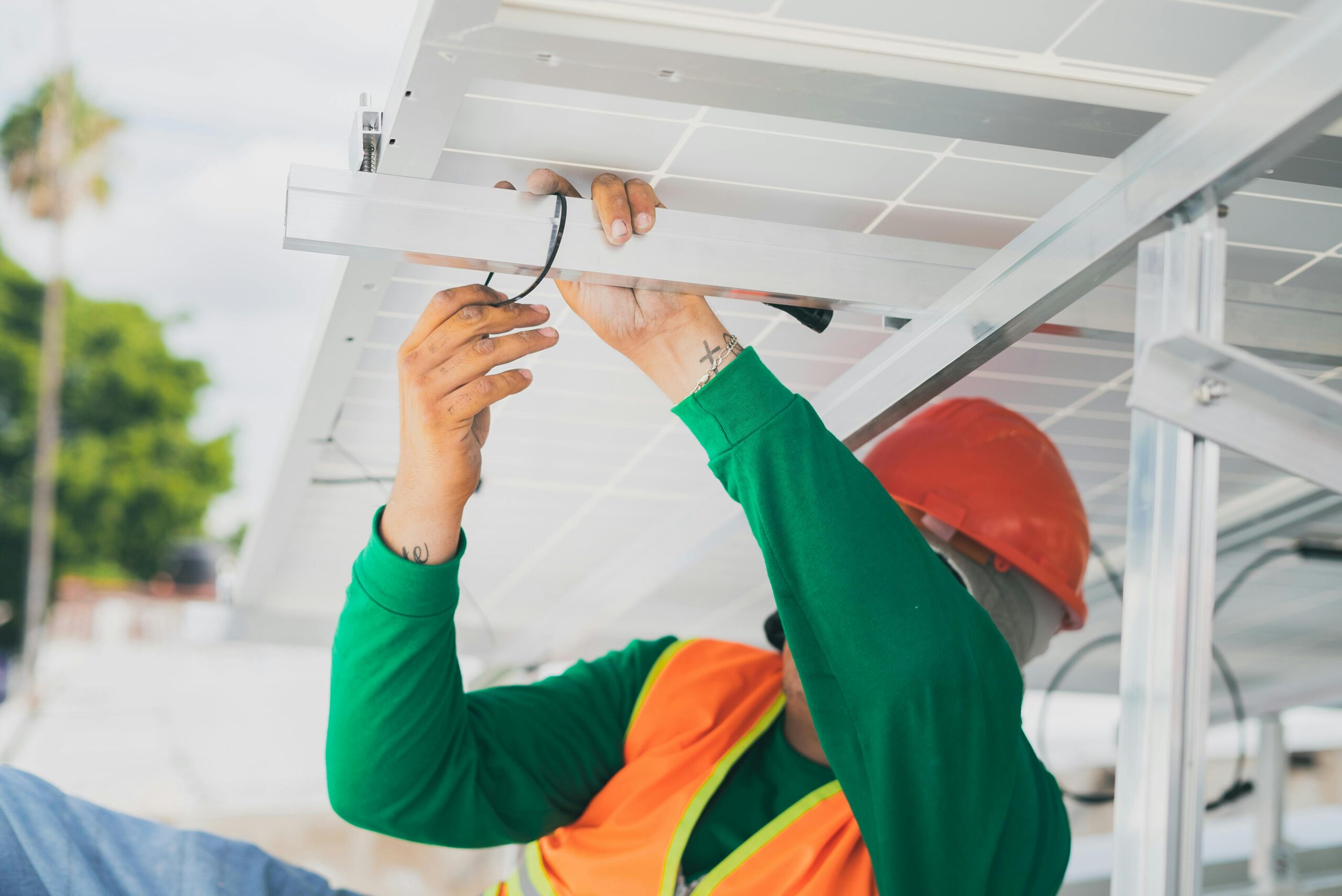
Myth 2: “Solar panels require constant maintenance.”
Reality: Modern systems need minimal care — mostly occasional cleaning.
Myth 3: “Solar is too expensive.”
Reality: Prices have dropped by over 70% since 2010, and tax credits make it more affordable than ever.
Myth 4: “Solar only makes sense in sunny states.”
Reality: Incentives and net metering make solar profitable even in northern states.
10. Environmental and Lifestyle Benefits
Apart from financial returns, solar energy provides immense environmental value — something many younger homeowners prioritize in 2025.
Eco-Friendly Advantages
- Reduces household carbon emissions by up to 4 tons per year
- Decreases dependency on fossil fuels
- Supports cleaner air and public health
- Encourages local green job growth
Switching to solar isn’t just an investment in energy — it’s an investment in a sustainable future.
Key Takeaways
✅ Solar remains a strong investment for U.S. homeowners in 2025, especially with ongoing tax credits.
✅ Payback period averages 6–10 years, with decades of free energy afterward.
✅ Smart technology and battery storage make systems more efficient than ever.
✅ Property value, energy independence, and environmental impact make solar a long-term win.
FAQs
1. Are solar panels worth it in 2025 for American homes?
Yes. With lower installation costs, federal tax credits, and better technology, solar panels still deliver strong financial and environmental returns in 2025.
2. How long do solar panels last?
Most panels last 25–30 years with minimal efficiency loss. Regular cleaning and inspections can extend their lifespan.
3. What happens if I produce more electricity than I use?
Through net metering, you can send excess power back to the grid and receive credits on your energy bill.
4. Can I install solar panels if my home has shade or limited roof space?
Yes. Newer high-efficiency panels and ground-mounted systems allow installation even in partially shaded areas.
Conclusion
So, are solar panels still a good investment for American households in 2025?
Absolutely — for most homeowners, the numbers still add up. The combination of reduced costs, ongoing incentives, rising utility prices, and improved technology ensures that solar remains one of the smartest long-term home upgrades.
Solar energy delivers not only financial rewards but also the satisfaction of contributing to a cleaner planet. Whether you’re motivated by savings, sustainability, or self-sufficiency, investing in solar in 2025 continues to be a bright decision.
Call to Action
Interested in calculating your home’s potential savings? Visit Forbes Home: Solar Energy Guide for up-to-date tools, incentives, and expert tips for U.S. homeowners.