Introduction
In 2025, Canadian homeowners are rethinking the way they design and live in their homes. The focus has shifted from simple aesthetics to smart, sustainable, and energy-efficient living. As environmental awareness grows, energy-efficient appliances have become the cornerstone of modern Canadian home design — blending technology, sustainability, and style.
According to experts, Canadians are increasingly prioritizing energy-saving features when renovating or purchasing homes.
Read more on Forbes about sustainable home design
These modern appliances are not just about reducing electricity bills — they’re redefining the layout, materials, and overall vision of Canadian homes. From eco-friendly kitchens to AI-powered thermostats, energy efficiency is now influencing every design decision.
The Rise of Energy-Efficient Living in Canada
Over the last decade, Canada has seen a significant shift toward eco-conscious living. This development is driven by multiple key factors:
- Government Incentives:
Programs such as Canada Greener Homes Initiative encourage homeowners to adopt sustainable technologies. - Consumer Awareness:
Canadians are more informed than ever about climate change and the environmental impact of household energy use. - Technological Advancement:
The evolution of smart appliances — such as Wi-Fi-enabled washers and adaptive refrigerators — allows users to monitor and minimize energy consumption with ease.
The result? Energy-efficient appliances have become more than functional tools — they’re integral elements of home design, symbolizing modern, responsible living.
How Modern Appliances Influence Home Design
1. Kitchen Layouts Evolve Around Energy Efficiency
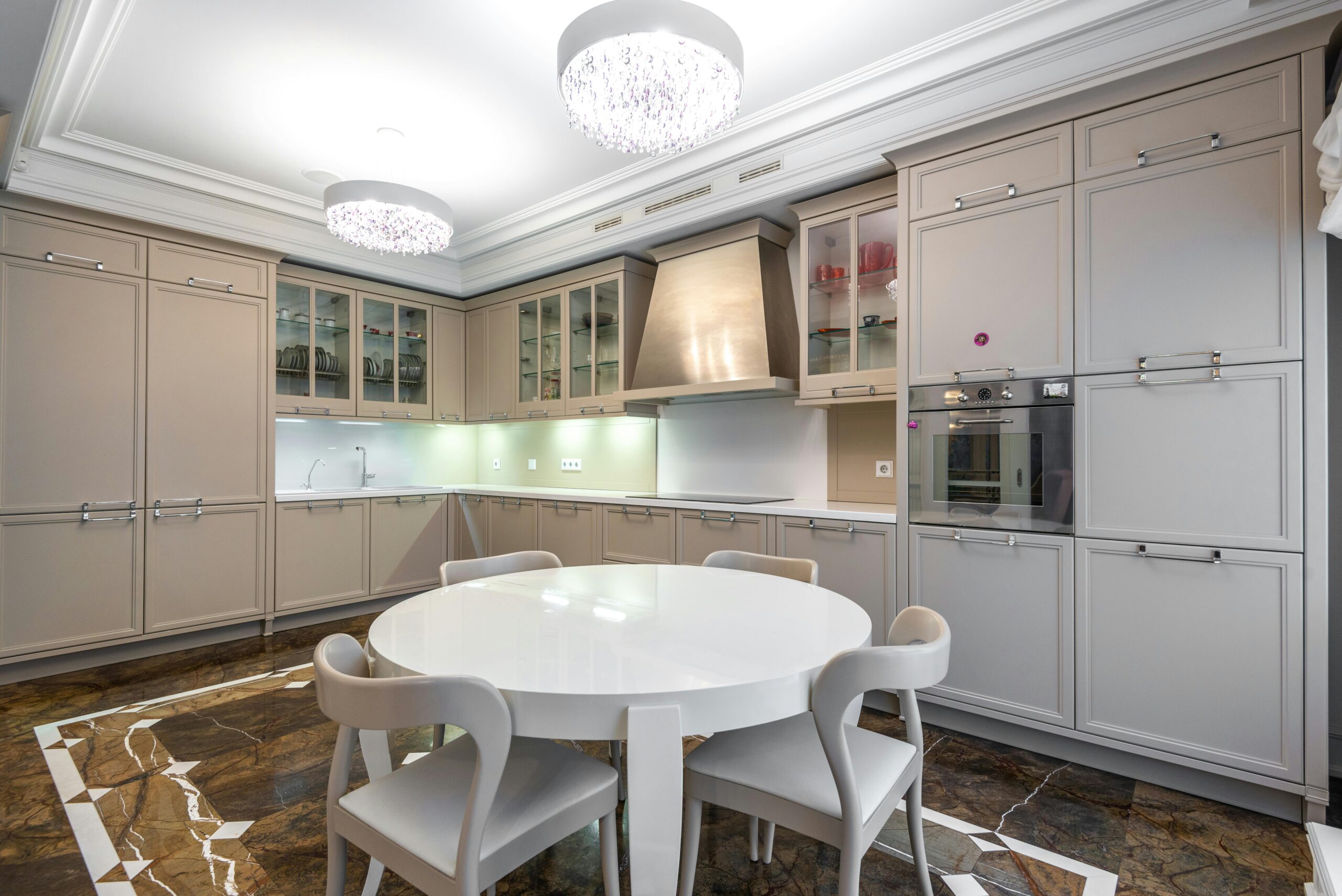
The kitchen is often the heart of a Canadian home, and energy efficiency now plays a major role in its layout.
Designers are favoring appliances that blend performance with sustainability, such as:
- Smart refrigerators with energy monitoring systems
- Induction cooktops that heat faster and waste less electricity
- LED lighting integrated into cabinetry and countertops
Homeowners are also opting for sleek built-in appliances that reduce visual clutter while improving airflow and energy performance.
2. Compact and Multi-Functional Living Spaces
In urban centers like Toronto and Vancouver, where space is limited, homeowners are choosing compact, multi-functional appliances that conserve both space and energy.
For example, washer-dryer combos and drawer-style dishwashers offer high efficiency without compromising performance.
This trend aligns with minimalist design principles — maximizing space while minimizing resource use.
Top Energy-Efficient Appliances Leading Canadian Homes
Let’s look at some of the most impactful appliances redefining energy efficiency in Canadian households:
- ENERGY STAR® Refrigerators:
Use 15–20% less energy than conventional models. - Induction Stoves:
Provide instant heat and precise control while reducing wasted energy. - Heat-Pump Dryers:
Recycle warm air, using up to 50% less electricity. - Smart Thermostats (e.g., Google Nest, Ecobee):
Adjust heating and cooling based on occupancy patterns. - Water-Saving Washing Machines:
Reduce both energy and water consumption. - LED Lighting Systems:
Offer longer lifespan and lower operating costs compared to traditional bulbs.
Learn more on Energy Star Canada’s website
Sustainable Home Design Trends for 2025
Canadian architects and interior designers are increasingly embracing sustainability as the foundation of modern living. Some key eco-design trends for 2025 include:
- Minimalist Layouts:
Clean lines and clutter-free spaces allow for better natural light and air circulation, reducing energy demands. - Natural and Recycled Materials:
Bamboo, reclaimed wood, and stone are replacing plastics and synthetic finishes. - Smart Integration:
Homes now feature connected systems — lighting, temperature, and security — that can be monitored remotely to save power. - Passive Home Principles:
Designs that maximize insulation, sunlight, and natural ventilation reduce reliance on heating and cooling systems.
In combination with energy-efficient appliances, these trends are transforming traditional Canadian homes into sustainable ecosystems.
Economic and Environmental Benefits
1. Lower Energy Bills
Energy-efficient appliances can significantly cut electricity and water usage. For instance, replacing an old refrigerator with an ENERGY STAR® model can save up to $200 annually on energy costs.
2. Increased Property Value
Sustainability sells. Homes equipped with energy-efficient systems attract eco-conscious buyers and command higher resale values.
3. Reduced Carbon Footprint
By consuming less energy, households directly contribute to lowering national greenhouse gas emissions — aligning with Canada’s Net-Zero by 2050 goals.
4. Long-Term Savings
Although initial costs may be higher, efficient appliances often pay for themselves through reduced utility expenses within a few years.
Challenges Homeowners Still Face
Despite growing popularity, the journey toward energy-efficient living is not without obstacles:
- High Upfront Costs:
Premium energy-saving appliances can be expensive initially, though long-term savings offset the price. - Compatibility Issues:
Older homes may require electrical or plumbing upgrades to support modern systems. - Limited Awareness in Rural Areas:
Access to rebates, certified contractors, and efficient products can be more difficult outside major cities.
Educating homeowners through local programs and online resources is essential for broader adoption.
The Future of Eco-Friendly Homes in Canada
Looking ahead, the future of Canadian home design appears greener, smarter, and more connected than ever before.
AI-Driven Energy Management
Smart systems will learn from user habits to automatically adjust power consumption, reducing waste without manual intervention.
Integration with Renewable Energy
Homes will increasingly combine solar panels, battery storage, and energy-efficient appliances for complete independence from traditional grids.
Sustainable Architecture
Builders are adopting low-carbon materials and innovative construction techniques — ensuring sustainability from foundation to finish.
Urban Eco-Communities
Cities like Toronto and Montreal are already planning “smart neighborhoods” where every residence is designed with energy efficiency at its core.
Key Takeaways
- Energy-efficient appliances are no longer optional — they’re essential to modern Canadian home design.
- Homeowners are realizing economic, aesthetic, and environmental benefits from upgrading to sustainable solutions.
- Smart technology will continue to lead the next generation of eco-friendly homes.
- Canada’s commitment to green living ensures that energy-efficient design will remain a long-term priority.
FAQs
1. What qualifies as an energy-efficient appliance in Canada?
Energy-efficient appliances meet or exceed the ENERGY STAR® standards, which ensure optimal performance with minimal energy consumption.
2. How do these appliances affect home value?
Homes featuring energy-efficient systems generally attract more buyers and higher offers due to lower operational costs and modern appeal.
3. Are there rebates available in 2025?
Yes. The Canada Greener Homes Initiative and various provincial programs offer financial incentives for energy-efficient upgrades.
4. Which appliances save the most energy annually?
Refrigerators, washing machines, HVAC systems, and smart thermostats deliver the greatest long-term energy savings.
Call-to-Action
If you’re planning to renovate or build a new home in Canada, start by choosing ENERGY STAR®–certified appliances. They not only reduce your carbon footprint but also bring comfort, beauty, and long-term savings to your everyday life.