Introduction
Across the United States, cities are reimagining how homes are built, powered, and lived in. As climate challenges grow and energy costs rise, local governments and developers are turning toward eco-friendly housing in the U.S. to create greener, smarter, and more resilient communities.
In 2025, sustainability is no longer a buzzword—it’s a building standard. From solar-powered neighborhoods in California to net-zero homes in New York, American cities are leading a housing revolution that benefits both the environment and homeowners.
Understanding Eco-Friendly Housing
Eco-friendly housing refers to homes designed to reduce environmental impact through sustainable materials, renewable energy use, and efficient design. These homes prioritize:
- Energy efficiency (solar panels, insulation, smart thermostats)
- Sustainable materials (bamboo, recycled steel, low-VOC paints)
- Water conservation (rainwater harvesting, low-flow fixtures)
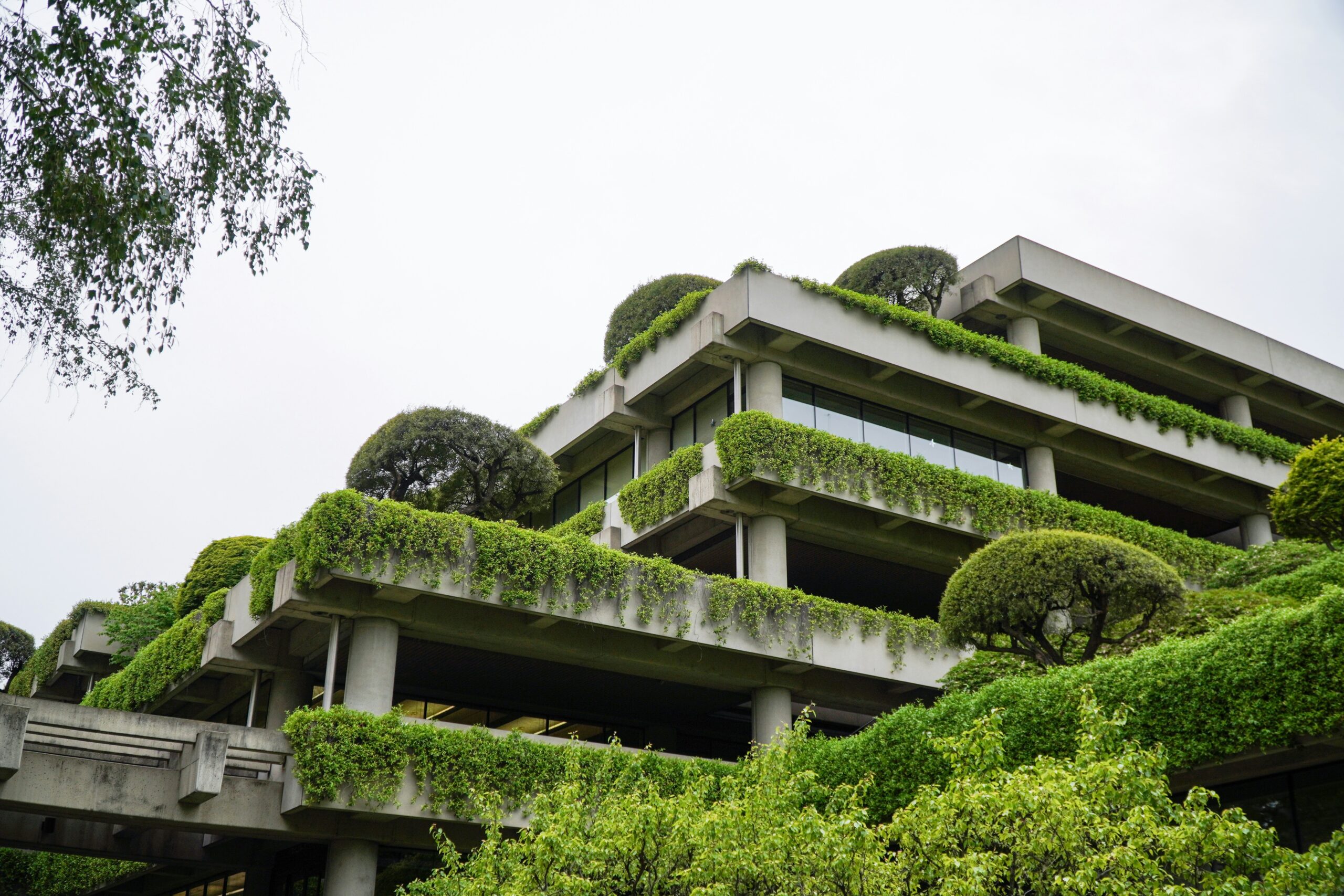
- Waste reduction (recycled construction materials, green roofs)
Such homes not only reduce carbon footprints but also save residents money through lower utility bills and maintenance costs.
Why Eco-Friendly Housing Matters in 2025
The housing sector contributes significantly to energy use and carbon emissions in the U.S. According to Forbes Home, eco-conscious home design can reduce household energy consumption by up to 40%, proving that sustainable living is both practical and profitable.
In addition, growing federal and local incentives for green construction make eco-friendly housing financially appealing to developers and buyers alike.
Major U.S. Cities Leading the Green Housing Movement
1. Austin, Texas – The Net-Zero Leader
Austin has long been at the forefront of sustainable construction. The city’s Green Building Program sets strict energy efficiency standards, encouraging developers to design homes that generate as much energy as they consume.
- The city promotes solar-ready rooftops and rainwater harvesting systems.
- Austin Energy offers rebates for installing smart thermostats and energy-efficient appliances.
This makes Austin one of the most energy-progressive cities in the nation.
2. San Francisco, California – Building for the Future
San Francisco’s housing policies aim to reach net-zero carbon emissions by 2040. The city encourages:
- All-electric new buildings (no natural gas use)
- Mandatory solar panels on new construction
- Green roofs and urban gardens to combat heat islands
Moreover, San Francisco incentivizes developers with tax reductions for projects meeting the LEED Platinum certification, the highest standard in green building.
3. New York City – Retrofitting for Sustainability
Unlike many other regions, New York City focuses on retrofitting existing buildings. Programs such as Local Law 97 require older buildings to reduce emissions by installing energy-efficient systems.
- Developers are replacing traditional HVAC systems with geothermal and electric heat pumps.
- The city’s “Carbon Challenge” initiative partners with universities and hospitals to lower energy usage.
This approach shows that even historic cities can go green without sacrificing their architectural heritage.
4. Portland, Oregon – A Model for Community Sustainability
Portland is a pioneer in eco-friendly neighborhoods. The city promotes sustainable housing through:
- Compact zoning that reduces urban sprawl
- Bike-friendly infrastructure connecting green communities
- Tax credits for builders using renewable materials
Portland’s focus on sustainability extends to social responsibility, ensuring that green homes remain accessible to middle-income families.
5. Miami, Florida – Climate-Resilient Green Homes
As a coastal city facing sea-level rise, Miami’s housing strategy blends sustainability with climate resilience.
- New zoning laws encourage elevated foundations and flood-resistant materials.
- Developers integrate solar panels, wind-resistant designs, and water-recycling systems.
Miami’s example shows that eco-friendly housing can protect both the planet and property investments.
Government Support and Incentives
Federal and local governments are driving the expansion of eco-friendly real estate development through financial incentives:
Federal Programs
- Energy Efficient Home Tax Credit (45L): Offers up to $5,000 per unit for energy-efficient new homes.
- Residential Clean Energy Credit: Provides homeowners up to 30% credit on solar, geothermal, or wind systems.
Local Initiatives
- Los Angeles’ Sustainable City Plan mandates new housing to meet strict energy codes.
- Seattle’s Green Building Incentive Program rewards developers who exceed baseline sustainability targets.
According to the U.S. Department of Energy, such initiatives could help reduce the nation’s building-related emissions by over 50% by 2035.
Source: U.S. Department of Energy – Energy Efficiency Programs
Sustainable Housing Trends to Watch in 2025
1. Net-Zero Energy Homes
Homes that produce as much energy as they consume through solar power, smart grids, and advanced insulation are becoming mainstream.
2. Smart Eco Homes
IoT-based systems control lighting, heating, and appliances automatically to minimize energy waste.
3. Modular and Prefabricated Construction
Prebuilt sustainable materials reduce waste and shorten construction timelines.
4. Biophilic Design
Architects are integrating natural light, ventilation, and plant life into homes to improve well-being and reduce dependence on artificial systems.
How Green Homes Benefit U.S. Homeowners
Eco-friendly homes are not just environmentally beneficial—they’re economically smart.
Key benefits include:
- Lower energy bills: Solar and efficient systems cut utility costs.
- Higher resale value: Green-certified homes often sell faster and at premium prices.
- Healthier living: Improved air quality and toxin-free materials enhance comfort.
- Long-term savings: Sustainable homes require less maintenance over time.
In fact, Investopedia reports that buyers are increasingly prioritizing green certifications such as LEED and ENERGY STAR in their home search.
Challenges in Promoting Eco-Friendly Housing
Despite the progress, cities still face challenges:
- Higher upfront construction costs for sustainable materials
- Limited awareness among first-time buyers
- Shortage of trained green builders
However, as technology becomes more affordable and awareness grows, experts predict these obstacles will diminish by 2027.
The Future of Eco-Friendly Housing in the U.S.
The future of eco-friendly housing in the U.S. looks promising. By 2030, analysts expect that more than 50% of new urban homes will follow green building standards.
Cities will increasingly adopt renewable energy microgrids, AI-powered home monitoring, and climate-resilient materials as standard practice.
Sustainability will no longer be an option—it will be the norm in American housing.
Key Takeaways
- Eco-friendly housing is transforming U.S. real estate in 2025.
- Major cities like Austin, San Francisco, and New York are leading through incentives and innovation.
- Government programs make green homebuilding financially feasible.
- Eco-friendly homes offer long-term savings and higher resale value.
FAQs
1. What makes a home eco-friendly?
Eco-friendly homes use renewable energy, recycled materials, and efficient designs to reduce energy consumption and environmental impact.
2. Which U.S. cities lead in sustainable housing?
Austin, San Francisco, Portland, and New York are top leaders in green housing initiatives and regulations.
3. Are eco-friendly homes more expensive?
While initial costs may be slightly higher, the long-term energy savings and tax incentives offset those expenses.
4. How can homeowners make existing homes more sustainable?
By installing solar panels, upgrading insulation, using energy-efficient lighting, and adopting smart home systems.
Conclusion
Eco-friendly housing isn’t just a passing trend—it’s the future of real estate in the U.S. In 2025, American cities are proving that sustainable development is achievable when innovation meets policy support.
Whether you’re a homeowner, investor, or developer, embracing green building practices today means contributing to a cleaner, healthier, and more valuable tomorrow.
Call to Action
If you’re planning to buy, build, or invest in a home, consider exploring local green building programs or consulting a certified sustainable housing expert. The choices you make today can help build a more sustainable America for generations to come.