Introduction
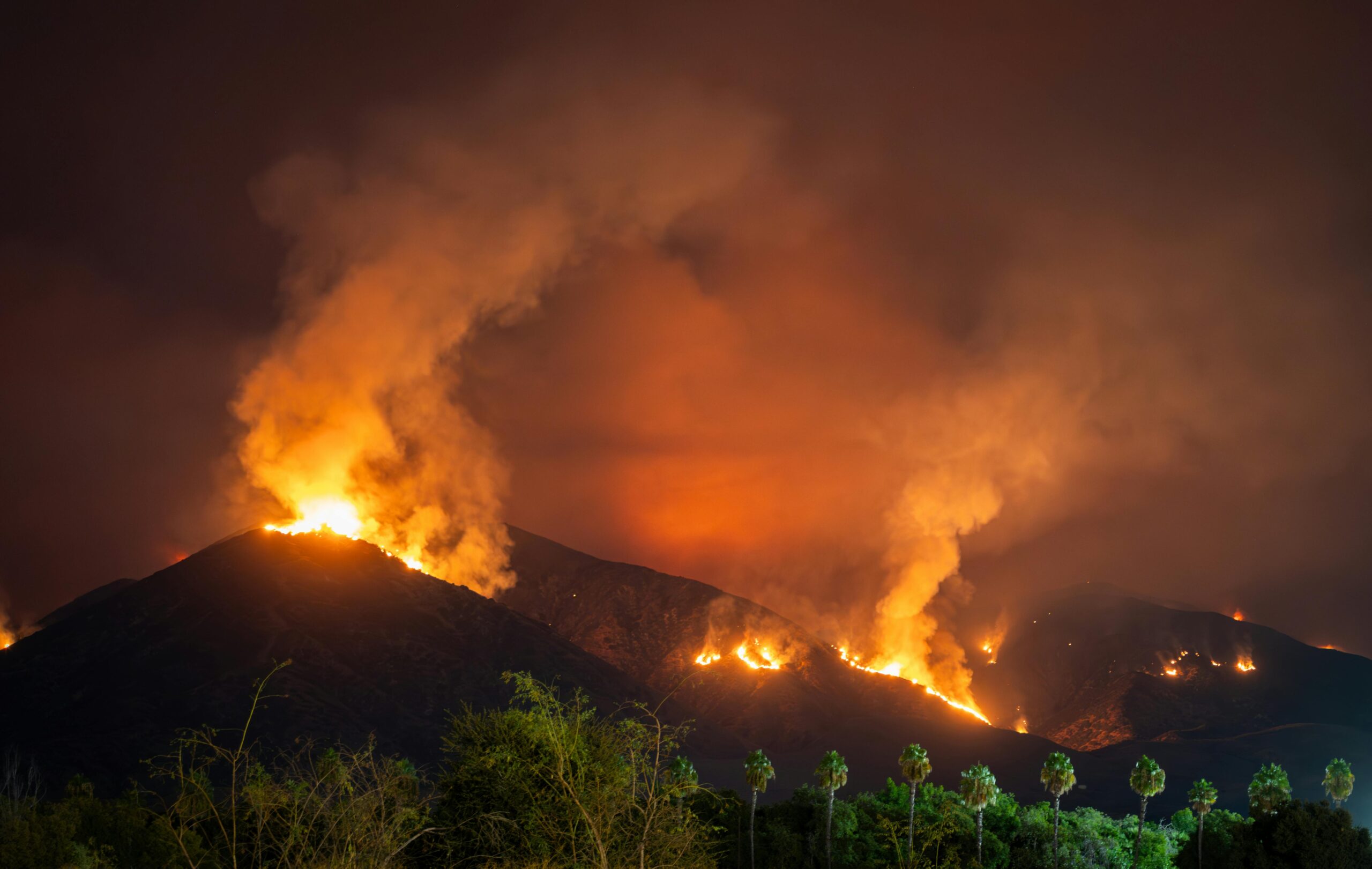
Every year, wildfires threaten thousands of California homes, often turning entire neighborhoods into disaster zones within hours. As the state faces longer dry seasons and intense heat waves, wildfire prevention has become more important than ever.
For homeowners, understanding how to reduce wildfire risks around homes isn’t just a safety measure — it’s an investment in long-term property protection. In this guide, we’ll explore practical strategies that Californians can apply to safeguard their homes and communities from wildfire threats in 2025.
Understanding California’s Wildfire Threat in 2025
California’s geography and climate make it one of the most fire-prone regions in the United States. Hotter temperatures, prolonged droughts, and stronger winds have increased the frequency and intensity of wildfires.
According to the U.S. Forest Service, nearly half of California’s land area is considered highly susceptible to wildfire damage. In 2025, experts expect the risk to remain severe, especially in regions like:
- Northern California’s forested mountain areas
- Central Valley’s dry grasslands
- Southern California’s coastal and hillside neighborhoods
Moreover, climate change continues to worsen these conditions, leading to year-round fire seasons instead of seasonal ones. Therefore, reducing wildfire risk requires proactive measures at both the individual and community level.
Why Wildfire Prevention Starts at Home
While wildfires may seem unstoppable, research shows that many homes survive when homeowners take proper preventive steps. A fire-safe home design, responsible landscaping, and regular maintenance can drastically reduce ignition risks.
Here’s why prevention at home is crucial:
- Embers cause up to 90% of home fires during wildfires.
- Defensible space—the buffer zone around your home—can slow or stop the spread of fire.
- Small steps like clearing debris or using fire-resistant materials often make the biggest difference.
In short, protecting your property begins with awareness and preparation.
Top Strategies to Reduce Wildfire Risks Around Homes
1. Create Defensible Space (0–100 Feet Zone)
A “defensible space” is a buffer area between your home and the surrounding vegetation that helps slow the spread of fire.
California law requires at least 100 feet of defensible space, divided into three zones:
Zone 0: Ember-Resistant Zone (0–5 Feet)
- Remove all flammable items such as firewood, mulch, and dry leaves.
- Replace wood fencing connected to your home with metal or masonry near walls.
- Keep gutters and roofs clean.
Zone 1: Lean, Clean, and Green Zone (5–30 Feet)
- Trim trees so branches stay at least 10 feet from other trees.
- Space shrubs and plants apart to prevent continuous fire paths.
- Keep lawns hydrated and short.
Zone 2: Reduced Fuel Zone (30–100 Feet)
- Create breaks between trees and vegetation.
- Use gravel or stone paths to act as fire barriers.
- Remove dead trees, limbs, and vegetation annually.
By maintaining these zones, homeowners give firefighters a safer environment to defend homes if a wildfire approaches.
2. Use Fire-Resistant Building Materials
Homes built or retrofitted with fire-resistant materials are significantly less likely to ignite.
Recommended materials include:
- Roofing: Class A fire-rated materials like metal, clay tiles, or asphalt fiberglass shingles.
- Siding: Stucco, fiber cement, or metal panels.
- Windows: Double-paned tempered glass that withstands radiant heat.
- Vents: Ember-resistant vents that block flying embers.
According to Forbes Home, homes constructed with non-combustible materials have up to 40% lower property loss rates in wildfire-prone regions. Investing in these upgrades adds value and enhances safety.
3. Maintain Landscaping and Clear Vegetation
Well-maintained landscaping can serve as a natural fire barrier. Homeowners should adopt fire-smart landscaping principles that minimize fuel sources.
Checklist for Fire-Safe Landscaping:
- Choose drought-tolerant, fire-resistant plants such as lavender, sage, and succulents.
- Remove pine needles, leaves, and branches regularly.
- Keep trees pruned at least six feet above the ground.
- Replace wooden mulch with gravel or stone.
- Install drip irrigation systems to reduce dry patches.
This combination of maintenance and smart planting can significantly reduce wildfire spread.
4. Install Smart Fire Detection Systems
Technology now plays a major role in wildfire prevention. Installing smart fire detection and alert systems can provide early warnings and even help contain small fires before they grow.
Examples of smart systems:
- Smoke and Heat Detectors: Connect with mobile apps for instant alerts.
- Wi-Fi Sprinkler Controllers: Automatically activate sprinklers when heat levels rise.
- Home Automation Integration: Systems that link fire alarms with outdoor cameras and smart locks for faster evacuation.
Modern devices can even link with local fire departments to send real-time alerts. This proactive approach can save lives and property.
5. Review Emergency Plans and Insurance Coverage
Preparation is only effective if you know what to do when fire strikes. Every California household should have a detailed emergency plan that includes:
- A pre-planned evacuation route
- A “go bag” with essentials like first aid, water, and important documents
- Contact numbers for local emergency services
In addition, review your homeowner’s insurance regularly. Ensure your plan covers wildfire-related damages, including temporary housing and debris removal.

According to Investopedia, homeowners in high-risk areas should update insurance coverage every year to account for rising repair costs and property values.
Community and Government Programs Supporting Homeowners
California residents don’t have to face wildfire risks alone. Several programs and organizations help communities strengthen their defenses.
Notable initiatives include:
- CAL FIRE’s Ready for Wildfire Program: Offers grants, safety checklists, and free educational resources for residents.
🔗 Visit: CAL FIRE Ready for Wildfire - Fire Safe Councils: Local groups that organize clean-up drives and community defense projects.
- Wildfire Prepared Home Certification: A voluntary program that helps homeowners assess and improve property resilience.
Participating in these programs fosters collaboration and shared responsibility across neighborhoods.
Key Takeaways
- California’s wildfire risk in 2025 remains high due to extreme weather patterns.
- Homeowners can greatly reduce wildfire risks around homes by creating defensible spaces and maintaining fire-safe landscaping.
- Using fire-resistant materials and smart technology enhances long-term protection.
- Government initiatives like CAL FIRE’s programs provide vital support and information.
Together, these steps can transform California’s neighborhoods into safer, more resilient communities.
FAQs
1. How often should I clear vegetation around my California home?
Homeowners should inspect and clear vegetation at least once every three months, especially before and during fire season. Dry leaves, pine needles, and overgrown shrubs can ignite easily.
2. What are the most fire-resistant roofing materials?
Metal, clay tiles, and asphalt fiberglass shingles are among the most fire-resistant materials approved for use in wildfire-prone regions.
3. Does homeowner’s insurance cover wildfire damage in California?
Most insurance plans include wildfire coverage, but policies differ. Always confirm with your provider and consider additional protection through California’s FAIR Plan if you live in a high-risk zone.
4. Are there financial incentives for installing fire-resistant upgrades?
Yes. Certain state and local rebate programs reward homeowners who install fire-resistant materials or defensible space improvements. Check your local fire department or utility company for available offers.
Conclusion
Wildfires are an unavoidable part of California’s natural landscape — but their impact on communities doesn’t have to be devastating. By implementing the right preventive measures, homeowners can protect their families, properties, and neighborhoods from the worst effects of these natural disasters.
From using fire-resistant materials to staying active in local preparedness programs, every action counts. Small efforts made today can mean the difference between loss and safety tomorrow.
Call to Action
Be proactive — visit CAL FIRE’s Ready for Wildfire to learn more about defensible space, home hardening, and community preparedness. Your actions today can help save lives and homes tomorrow.