Introduction
In 2025, U.S. homeowners are embracing smart home technology like never before. Among all the gadgets transforming modern living, smart security technology for homes stands out as one of the most valuable. From AI-powered cameras to connected locks and motion sensors, these systems are redefining what safety and convenience mean in today’s real estate market.
But the benefits go beyond just protection — homes equipped with smart security systems often see higher resale value, faster sales, and improved energy efficiency. Let’s explore how these innovations make homes both safer and more valuable across the United States.
What Is Smart Security Technology?
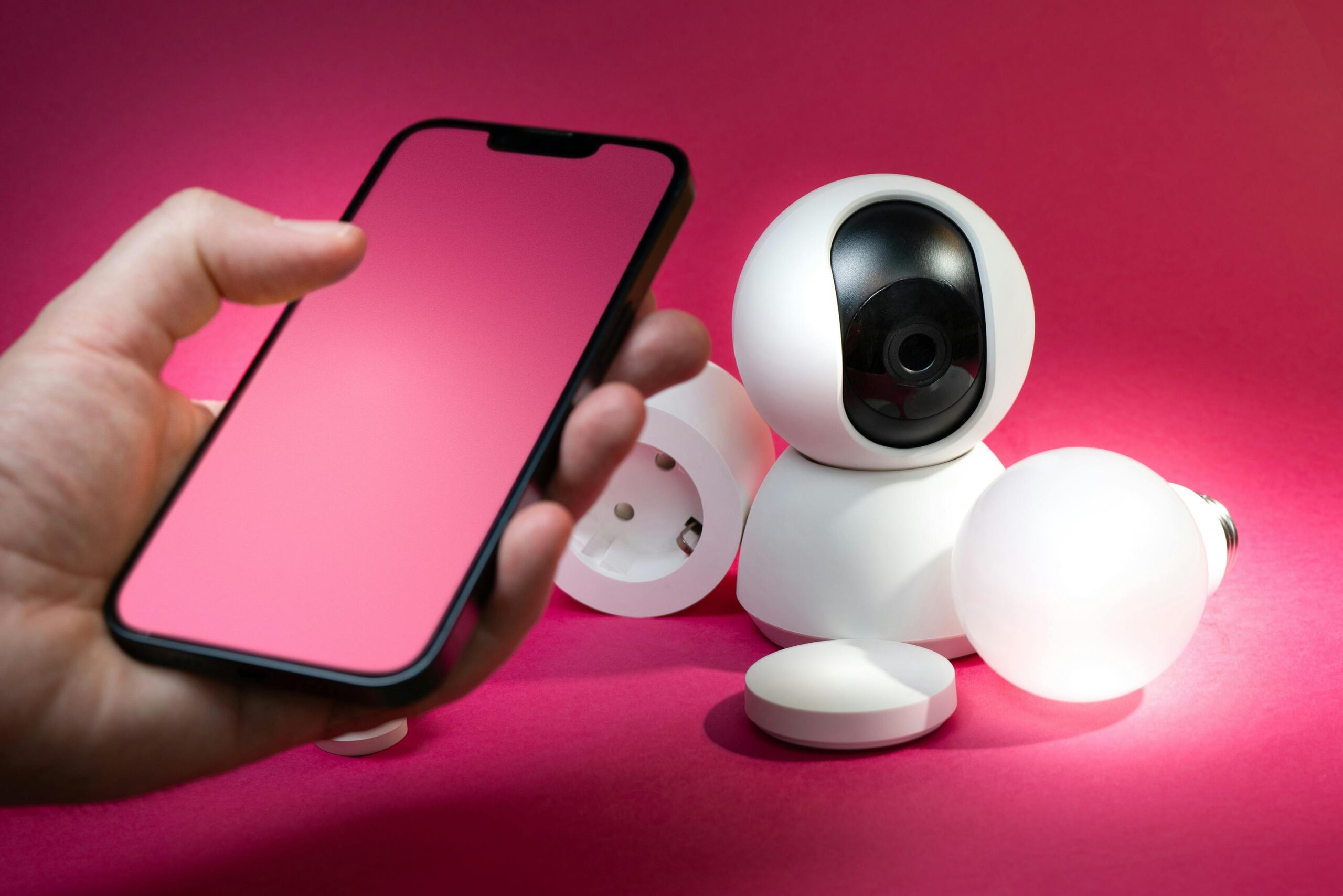
Smart security technology refers to internet-connected devices that monitor, protect, and manage your home remotely. These systems combine AI, automation, and mobile control, allowing homeowners to track what’s happening even when they’re away.
Common smart security features include:
- Smart door locks with mobile app control
- Video doorbells with motion alerts
- AI-powered indoor/outdoor cameras
- Smart lighting and alarm systems
- Sensors for doors, windows, and smoke
According to Forbes Home, the U.S. smart home market is projected to grow by over 20% annually, driven by demand for security and convenience.
How Smart Security Enhances Home Safety
1. 24/7 Real-Time Monitoring
Smart security systems offer continuous surveillance using connected cameras and sensors. Homeowners can view live footage or receive instant alerts on their smartphones when unusual activity is detected.
Example:
If a motion sensor detects movement near your front door, the system instantly notifies you — even if you’re hundreds of miles away.
2. Remote Control and Automation
Many homeowners now integrate their security systems with voice assistants like Alexa or Google Home. This allows them to lock doors, activate alarms, or check cameras through simple voice commands.
Benefit:
This automation reduces human error — no more forgetting to lock up or set the alarm.
3. AI-Powered Detection
Modern systems use AI and facial recognition to differentiate between family members, guests, pets, and intruders. This helps reduce false alarms and improves accuracy.
In addition, AI-based security cameras can analyze patterns — like frequent motion in a specific area — and suggest improvements for better coverage.
4. Emergency Integration
Many smart systems now connect directly with local emergency services, enabling quicker responses during break-ins, fires, or health emergencies.
This immediate coordination can save property and lives.
How Smart Security Adds Property Value
1. Higher Buyer Appeal
Buyers in 2025 prioritize convenience, connectivity, and safety. Smart homes tick all three boxes. Real estate agents report that homes with integrated security systems sell faster and attract more offers.
According to a recent Forbes Home report, smart features can boost home resale value by up to 5% — especially when safety technology is part of the package.
2. Energy Efficiency & Cost Savings
Many smart systems, such as lighting or thermostats, integrate with security features to optimize energy use.
For example, when you arm your security system, lights and HVAC can automatically adjust to energy-saving modes.
This dual advantage — lower energy bills and improved security — appeals strongly to modern homebuyers.
3. Insurance Discounts
Homeowners with certified smart security systems often qualify for insurance premium reductions. Insurers recognize that connected monitoring reduces the risk of theft and damage, rewarding policyholders with annual savings.
4. Long-Term Property Modernization
Smart technology isn’t just about today’s convenience — it future-proofs a property.
In competitive U.S. real estate markets, a home with a modern, connected infrastructure maintains its relevance for years to come.
Smart Security Systems Popular in the U.S. (2025)
Here are a few top-rated smart home security systems making waves this year:
| System Name | Key Features | Approx. Price Range |
|---|---|---|
| Ring Alarm Pro | Video doorbell, Wi-Fi 6 router, motion sensors | $300–$600 |
| SimpliSafe Smart System | Customizable setup, battery backup, police alerts | $250–$500 |
| ADT Smart Home | 24/7 monitoring, mobile integration, pro installation | $400–$800 |
| Google Nest Secure | AI camera, voice assistant, cloud storage | $300–$550 |
| Arlo Secure System | Wireless cameras, night vision, cloud recording | $350–$600 |
Combining Smart Security With Home Design
One major misconception is that smart security ruins home aesthetics. In reality, modern systems are designed to blend seamlessly with interior styles.
Ways to integrate technology beautifully:
- Use wireless and hidden cameras to maintain minimalism.
- Choose neutral color devices matching wall tones.
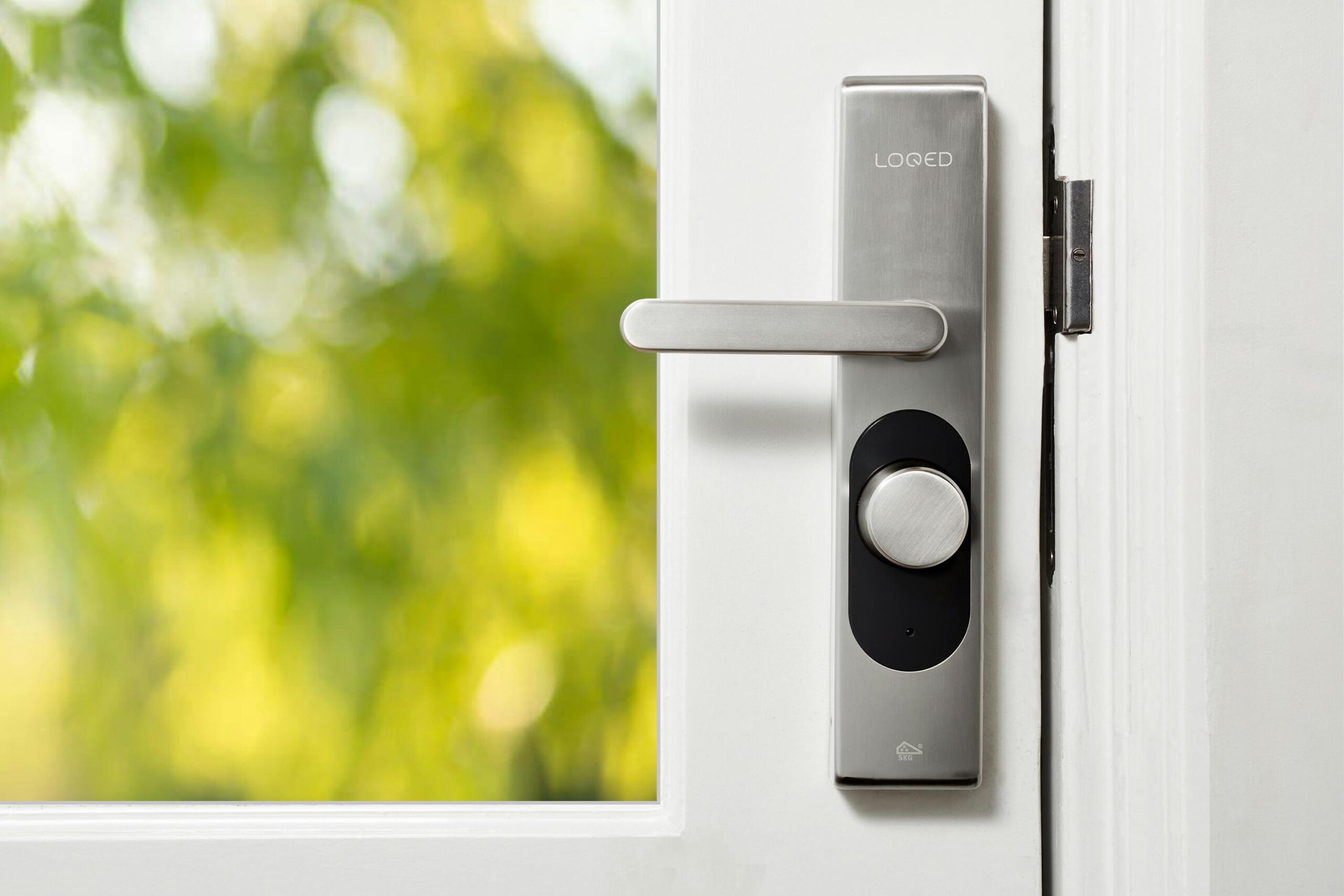
- Integrate smart locks with stylish finishes like matte black or brushed nickel.
- Mount sensors discreetly near light fixtures or trim.
This balance of form and function keeps the charm of your home intact while upgrading its intelligence.
How Smart Homes Influence U.S. Real Estate Trends
In 2025, smart security is more than a gadget — it’s a real estate expectation.
Realtors report that buyers under 40 actively seek homes with built-in smart safety systems.
Moreover, smart technology has become a marketing point in property listings — phrases like “AI-secured home” or “connected safety system” attract more clicks and showings online.
Key real estate takeaways:
- Smart homes sell 10–15% faster in competitive U.S. markets.
- Listings with “smart security” keywords get 25% higher engagement on Zillow and Redfin.
- Tech-enabled homes often command premium pricing due to reduced perceived risk.
Potential Drawbacks and How to Address Them
Even with all the benefits, there are a few challenges homeowners should be aware of:
1. Privacy Concerns
Since these systems collect data, homeowners should ensure devices come from trusted brands with encrypted storage and two-factor authentication.
2. Initial Setup Cost
High-quality systems can cost anywhere from $300 to $800, depending on customization. However, many providers now offer subscription-based models for affordability.
3. Regular Updates
Smart devices require occasional firmware updates to stay secure. Homeowners should enable auto-updates to avoid vulnerabilities.
By managing these issues proactively, homeowners enjoy long-term benefits with minimal hassle.
Key Takeaways
✅ Smart security technology enhances both safety and resale value for U.S. homes.
✅ Integration with AI, automation, and mobile control gives homeowners peace of mind.
✅ Energy efficiency, insurance discounts, and modern appeal make these systems a smart investment.
✅ With careful design integration, smart tech adds value without affecting a home’s style.
✅ The U.S. real estate market in 2025 clearly favors connected, secure homes.
FAQs
1. Are smart security systems worth it for older homes?
Yes. Even older homes can easily integrate wireless systems without rewiring. It’s one of the simplest modernization upgrades.
2. How much does it cost to install a smart home security system in the U.S.?
On average, between $300 and $800, depending on brand, features, and monitoring services.
3. Can smart security increase home resale value?
Absolutely. Homes with advanced security often sell faster and fetch higher prices due to buyer confidence and convenience.
4. Are smart security systems safe from hacking?
Top brands use end-to-end encryption and multi-layer authentication to ensure safety. Always update your devices regularly.
Conclusion
Smart security technology isn’t just a luxury — it’s a modern necessity.
In 2025, as the line between technology and lifestyle continues to blur, U.S. homeowners are realizing that a safer home is also a more valuable home.
Whether you’re protecting your family or preparing to sell, investing in smart security technology for homes is one of the most future-proof decisions you can make.
Call to Action
Want to make your home smarter and more secure?
Start by exploring trusted options on Forbes Home and discover which smart security systems fit your budget and lifestyle best.