Introduction
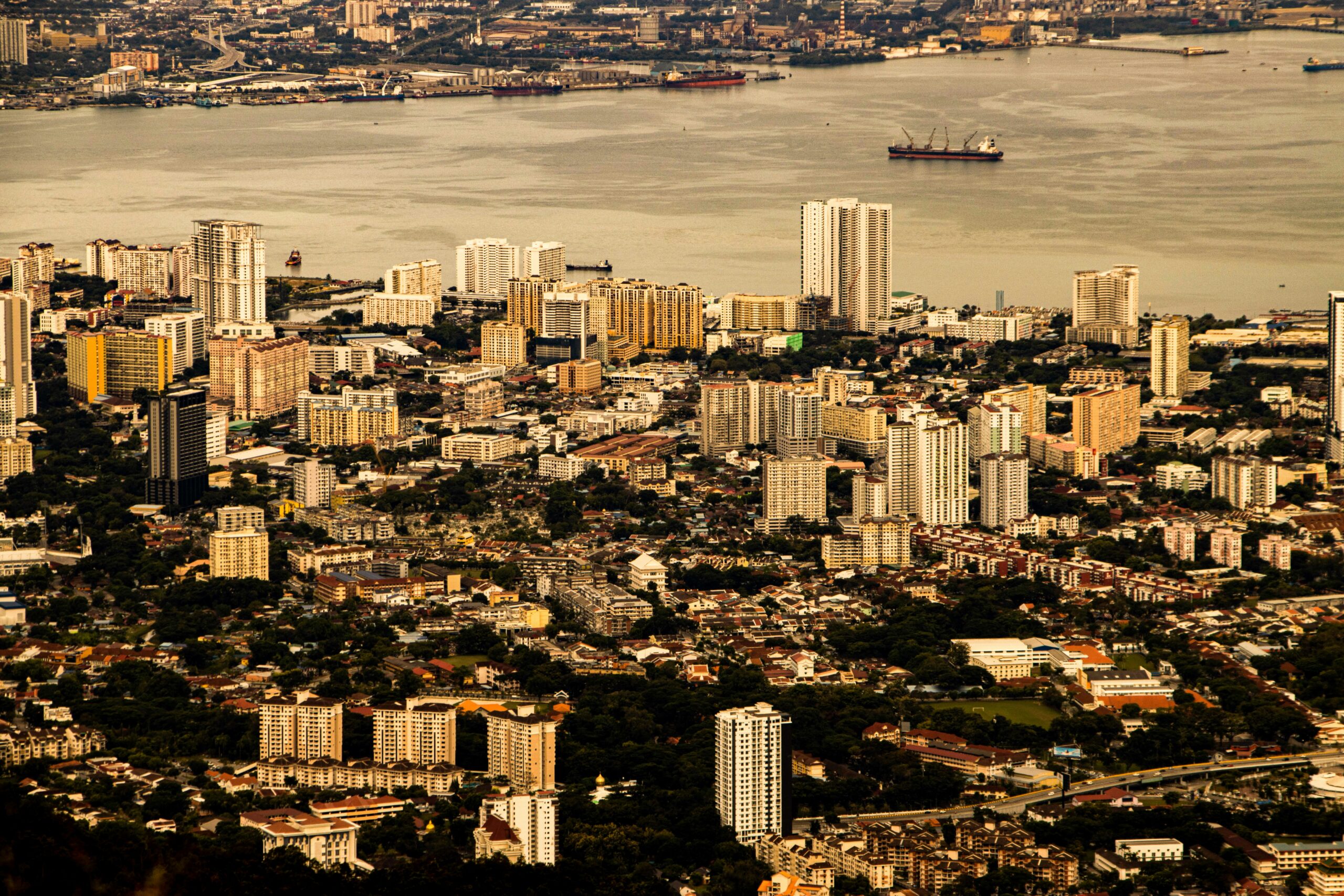
As American cities continue to expand, so does a silent but dangerous phenomenon known as the urban heat island (UHI) effect. It occurs when concrete, asphalt, and infrastructure absorb and retain more heat than natural landscapes. As a result, temperatures in cities can soar 5–10°F higher than surrounding rural areas, straining public health, air quality, and energy systems.
In 2025, climate experts warn that urban heat islands pose one of the fastest-growing environmental threats in the U.S. — especially in major cities like Phoenix, Houston, and Los Angeles. This article explores how the nation is combating this issue through innovative planning, green technology, and public initiatives.
Understanding the Urban Heat Island Problem
Urban heat islands are created when buildings, roads, and vehicles replace vegetation and natural ground cover. These surfaces trap heat during the day and slowly release it at night, making urban areas significantly warmer.
Key causes include:
- Excessive use of asphalt and concrete
- Deforestation and limited green spaces
- Dense population and traffic emissions
- Waste heat from air conditioners and vehicles
The U.S. Environmental Protection Agency (EPA) notes that UHIs not only affect comfort levels but also increase energy demand and air pollution, leading to greater greenhouse gas emissions and health risks for vulnerable populations.
The Growing Threat in U.S. Cities
The U.S. Department of Energy reports that cities like Phoenix have experienced nighttime temperatures up to 12°F higher than surrounding desert areas. Similarly, New York City’s “concrete canyons” trap immense heat between skyscrapers, worsening air quality and increasing electricity usage.
Climate scientists estimate that the frequency of extreme heat days in urban areas will double by 2050 if sustainable cooling measures are not prioritized. This makes the urban heat island issue a critical part of U.S. climate adaptation strategies.
How the U.S. Is Addressing the Urban Heat Island Problem
To tackle this challenge, federal agencies, local governments, and private sectors are working together on multiple fronts. Let’s explore some of the leading initiatives reshaping American cities.
1. Expanding Green Infrastructure
Urban forestry and green roofs have become key solutions to reduce city heat. Trees provide shade and cool the air through evapotranspiration, while green roofs absorb heat and enhance insulation.
Many U.S. cities now have active greening programs:
- New York City’s MillionTreesNYC initiative planted over one million trees.
- Los Angeles introduced “Cool Streets LA” — coating streets with reflective materials and increasing vegetation.
- Chicago pioneered the use of green rooftops on public buildings to reduce surface temperatures.
According to Forbes, sustainable urban landscaping is now one of the top investments cities make to enhance resilience against climate change. (Source: Forbes)
2. Promoting Reflective and “Cool” Building Materials
Another emerging trend is the use of high-albedo materials — surfaces that reflect more sunlight and absorb less heat. These include:
- Reflective roof coatings
- Light-colored pavements
- Advanced heat-resistant building materials
The Department of Energy’s Cool Roofs Initiative encourages builders to adopt reflective roofing in both commercial and residential projects. Studies show that this can lower rooftop temperatures by up to 50°F and reduce cooling costs by nearly 15%.
3. Investing in Urban Water Management
Water plays a vital role in cooling cities. Many states are integrating blue infrastructure — such as ponds, fountains, and stormwater systems — into urban design to naturally regulate temperature.
For example:
- Phoenix is incorporating shaded waterways into city planning.
- Atlanta developed urban wetlands that cool nearby neighborhoods.
- San Antonio expanded its famous River Walk as both a recreational and cooling solution.
These projects help maintain local microclimates while improving community well-being.
4. Leveraging Smart City Technology
The rise of IoT (Internet of Things) and AI-driven climate sensors allows city planners to track and manage heat patterns in real time.
Key examples:
- New York City uses satellite data and smart sensors to map temperature differences block-by-block.
- Los Angeles monitors reflective street coatings and vegetation effectiveness.
- Austin, Texas, is testing heat-mapping drones to identify critical hotspots.
This data helps cities plan targeted cooling interventions, making their infrastructure more responsive to extreme heat events.
5. Engaging Communities and Public Awareness
Public participation is crucial in combating the urban heat island effect. Local governments and NGOs are launching campaigns to:
- Educate residents on heat safety
- Encourage tree planting and rooftop gardens
- Support community cooling centers during heat waves
Programs like “Beat the Heat” in Arizona and “Keep Cool DC” are helping neighborhoods stay informed and equipped against high temperatures.
Federal and Local Policies Supporting Heat Mitigation
The Federal Emergency Management Agency (FEMA) and Environmental Protection Agency (EPA) are collaborating with local authorities to integrate UHI reduction into disaster resilience planning.
Key initiatives include:
- FEMA’s Building Resilient Infrastructure and Communities (BRIC) Program funds cooling infrastructure in vulnerable communities.
- EPA’s Heat Island Reduction Program provides technical guidance for cities on sustainable urban design.
- The Inflation Reduction Act (2022) allocates billions toward climate adaptation and clean energy — indirectly supporting UHI mitigation through energy-efficient upgrades.
Economic and Health Benefits of Addressing Urban Heat
Mitigating heat islands doesn’t just protect the environment — it delivers economic and social benefits too.
Benefits include:
- Lower energy costs: Reflective materials and greenery reduce air conditioning use.
- Improved air quality: Cooler cities produce fewer smog-forming pollutants.
- Better public health: Reduces heat-related illnesses and deaths.
- Stronger property values: Sustainable and shaded neighborhoods are increasingly in demand.
Moreover, cities that invest in cooling strategies attract green business investments and enhance their overall climate resilience.
Future Outlook: U.S. Cities Leading the Way
By 2030, experts predict that nearly 70% of Americans will live in urban areas. This makes heat resilience a top priority for urban planning.
Innovative cities are testing:
- Permeable pavements to absorb rain and lower ground temperature.
- Vertical gardens on high-rise buildings.
- Reflective glass facades that bounce heat away.
With federal and private sector support, the U.S. is positioning itself as a global model for sustainable urban climate adaptation.
Key Takeaways
- The urban heat island problem is intensifying due to rapid urbanization and climate change.
- U.S. cities are implementing green infrastructure, cool materials, and smart technology to fight heat buildup.
- FEMA, EPA, and local governments are leading with funding and awareness programs.
- Investing in sustainable cooling enhances health, economy, and climate resilience.
FAQs
1. What causes urban heat islands in U.S. cities?
Urban heat islands are primarily caused by excessive concrete, limited vegetation, and human activity that traps and radiates heat.
2. How do green roofs help reduce city heat?
Green roofs absorb sunlight, improve insulation, and cool the air through evaporation — lowering surrounding temperatures.
3. Which U.S. cities are most affected by urban heat?
Cities like Phoenix, Las Vegas, and Houston face the most extreme UHI effects due to their size, design, and desert climates.
4. What can residents do to help?
Planting trees, using reflective roofing, and conserving energy during heat waves all contribute to reducing urban heat buildup.
Conclusion
The urban heat island problem is no longer just an environmental issue — it’s a public health and infrastructure challenge that demands coordinated action. Through innovative design, policy reform, and citizen engagement, the U.S. is demonstrating how cities can adapt and thrive in a warming world.
Call to Action
If you live in an urban area, consider taking small steps — plant a tree, use reflective roofing, or support local greening programs. Together, we can make American cities cooler, healthier, and more sustainable for the future.