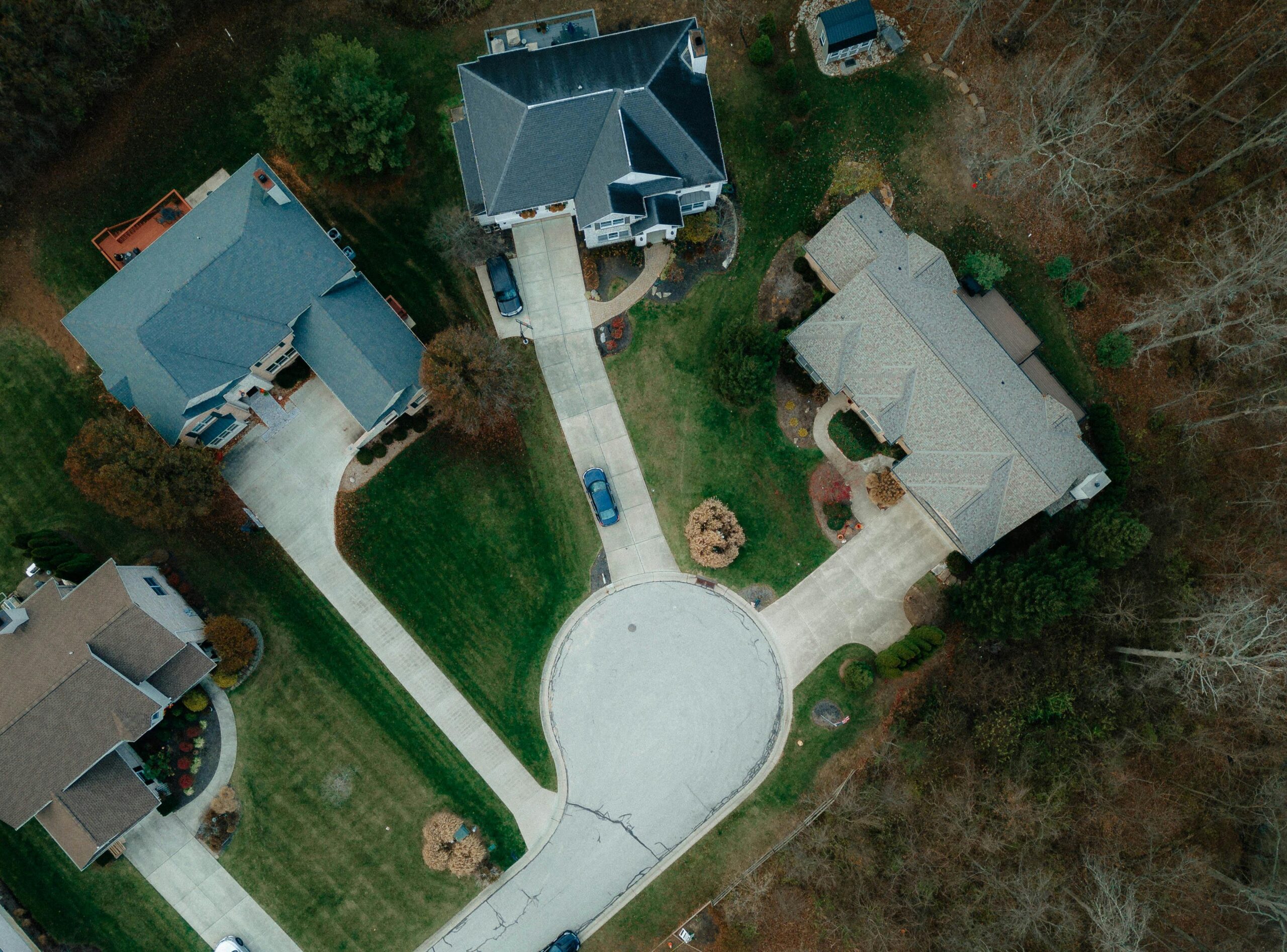
Introduction
The North American housing market is undergoing a green revolution. In both the United States and Canada, homeowners are showing growing interest in net-zero homes — properties designed to produce as much energy as they consume annually.
What was once considered a futuristic luxury is now becoming a mainstream necessity. From government incentives to rising energy costs and eco-conscious lifestyles, multiple factors are driving the demand for net-zero homes in the U.S. and Canada in 2025.
This article explores the market dynamics, consumer motivations, and environmental forces shaping this trend — all while helping readers understand why sustainable housing is fast becoming the new normal across North America.
What Is a Net-Zero Home?
A net-zero home is a property that produces enough renewable energy (usually through solar or wind systems) to offset its annual energy use.
These homes are designed with:
- High-efficiency insulation and HVAC systems
- Smart energy management tools
- Renewable energy installations (like rooftop solar panels)
- Advanced windows and ventilation for minimal energy loss
The result? Lower utility bills, cleaner energy consumption, and a smaller carbon footprint — making them both eco-friendly and cost-effective for families.
1. Government Policies and Incentives
One of the strongest forces behind this shift is government-backed incentives in both the U.S. and Canada. Policymakers are offering tax credits, rebates, and energy grants to encourage sustainable home construction.
In the United States
- The Inflation Reduction Act (IRA) offers up to 30% in federal tax credits for renewable energy installations like solar panels and geothermal systems.
- States such as California and New York provide additional rebates for energy-efficient retrofits.
- The Department of Energy’s Zero Energy Ready Home (ZERH) program recognizes builders who meet stringent sustainability standards.
In Canada
- The Canada Greener Homes Grant provides homeowners up to $5,000 for energy-efficient improvements.
- Provinces like British Columbia and Ontario have introduced Net-Zero Ready Building Codes to promote sustainable construction.
- Local utilities offer additional rebates for installing solar panels and heat pumps.
Bottom Line:
Public policy is accelerating adoption by making green home upgrades more affordable and accessible.
2. Rising Energy Costs and Economic Motivation
As energy prices continue to rise across North America, homeowners are seeking long-term cost stability.
Net-zero homes help families:
- Slash monthly utility bills
- Reduce dependence on the grid
- Generate their own clean energy
- Protect themselves from future price hikes
According to the U.S. Energy Information Administration, average household electricity costs rose by nearly 15% between 2020 and 2024. Similarly, Canada’s energy prices have climbed due to increased demand and carbon tax adjustments.
Therefore, energy independence is now seen as both an environmental and financial advantage — a key reason why more homeowners are choosing net-zero designs.
3. Growing Environmental Awareness
The shift toward eco-conscious living is one of the most influential cultural trends in North America today. Consumers are more aware of how their homes impact the planet.
Surveys from Forbes Home (2025) reveal that:
- Over 60% of U.S. homeowners say sustainability is a “very important” factor in property decisions.
- In Canada, nearly 70% of new homebuyers consider energy efficiency a top priority.
This rising environmental consciousness is transforming home design priorities — with builders integrating solar roofing, efficient water systems, and sustainable materials as standard features.
4. Technological Advancements in Green Building
Modern construction technologies have made net-zero homes more affordable and practical than ever before.
Key Innovations Include:
- Smart thermostats and IoT devices for real-time energy monitoring
- High-performance building envelopes that reduce heat loss
- Heat recovery ventilation (HRV) systems for efficient airflow
- Next-gen solar panels with better output at lower costs
- Energy storage batteries that power homes even at night
These innovations allow homeowners to track, store, and optimize energy use — transforming sustainability into convenience.
5. Real Estate Value and Resale Potential
Net-zero homes are not just environmentally responsible; they’re also financially rewarding.
Studies by Zillow and RE/MAX Canada show that energy-efficient or green-certified homes tend to sell:
- 4–9% higher than comparable non-certified properties
- 30–50% faster on the market
Buyers view these properties as long-term investments — saving on utilities while ensuring higher resale potential.
In both the U.S. and Canadian markets, green certifications like LEED, ENERGY STAR, and Net Zero Ready are becoming premium indicators of value.
6. Corporate and Builder Commitment
Major real estate developers across North America are now integrating net-zero designs as part of their sustainability pledges.
Examples:
- Lennar Homes (U.S.) launched communities equipped with solar panels and battery storage.
- Mattamy Homes (Canada) has committed to constructing all new builds as Net Zero Ready by 2030.
- PulteGroup and Brookfield Residential are testing smart energy models in pilot projects across North America.
These efforts align with national carbon neutrality goals and the growing public demand for sustainable communities.
7. Urban Planning and Smart City Initiatives
Government-backed smart city projects are incorporating sustainability into community design.
Cities like Toronto, Vancouver, Austin, and San Diego are leading with:
- Green zoning policies
- Solar-powered infrastructure
- Community-based microgrids
- Sustainable public transport integration

As municipalities push for net-zero goals, developers and homeowners are encouraged — and often required — to adopt sustainable building practices.
8. Access to Green Financing and Mortgages
Financial institutions have recognized the demand and are now offering green mortgages and low-interest loans for energy-efficient homes.
Examples Include:
- Freddie Mac’s GreenCHOICE Mortgage® (U.S.) – offers flexible financing for home energy improvements.
- Canada Mortgage and Housing Corporation (CMHC) – provides up to 25% mortgage premium refunds for certified energy-efficient homes.
- Private lenders are offering special rates for certified sustainable properties.
This trend is making net-zero homeownership more accessible for middle-income families.
9. The Social and Lifestyle Shift
Beyond economics and technology, lifestyle values are evolving. Many families in North America now see sustainable living as a form of social responsibility.
From choosing electric vehicles to supporting eco-friendly brands, net-zero living fits perfectly into this new lifestyle narrative. Communities are being built around shared sustainability values — emphasizing clean energy, organic gardens, and low-impact construction.
10. Future Outlook: The Path Toward 2030
Both the U.S. and Canadian governments have pledged to achieve significant carbon reduction targets by 2030.
This aligns with the Paris Climate Agreement and the Net Zero by 2050 mission. As a result:
- Building codes are tightening to mandate higher energy performance.
- Homebuilders are innovating to meet emission goals.
- Consumers are receiving stronger financial incentives for going green.
By 2030, net-zero homes could represent up to 25% of all new constructions in major U.S. and Canadian cities — transforming the future of real estate forever.
Key Takeaways
- Net-zero homes generate as much energy as they consume, promoting sustainability and cost savings.
- Government incentives in both the U.S. and Canada are making green homes more affordable.
- Energy efficiency, rising utility costs, and climate awareness are driving homeowner demand.
- Green-certified homes command higher resale value and attract modern buyers.
- The future of housing in North America is sustainable, smart, and self-sufficient.
FAQs
1. Are net-zero homes expensive to build?
Initially, yes — construction costs can be 5–10% higher than standard homes. However, the long-term savings on utilities and tax credits often offset the difference within a few years.
2. How can homeowners transition to a net-zero lifestyle?
Start by improving energy efficiency — add better insulation, switch to LED lighting, install solar panels, and use smart thermostats to reduce waste.
3. Are there net-zero home communities in North America?
Yes. Cities like Calgary (Canada) and Austin (U.S.) have entire neighborhoods built around net-zero design, offering community solar programs and shared energy storage.
4. Do net-zero homes qualify for mortgage discounts?
Yes. Many lenders in both countries now offer green mortgage programs with lower rates or premium refunds for certified energy-efficient homes.
Conclusion
The demand for net-zero homes in the U.S. and Canada reflects a profound shift toward sustainability, self-sufficiency, and responsible living.
From federal tax credits to advanced smart-home technology, the movement toward sustainable housing is reshaping real estate for the next generation. Homeowners aren’t just buying properties — they’re investing in a cleaner, more resilient future.
As 2025 progresses, one thing is clear: net-zero homes aren’t a luxury trend — they’re the blueprint for North America’s sustainable tomorrow.
For more insights into sustainable housing markets, visit Forbes — The Future of Green Real Estate.
Call to Action
Interested in sustainable living? Explore certified net-zero builders in your region or start with small energy upgrades today — every watt saved makes a difference.